

Table of Contents
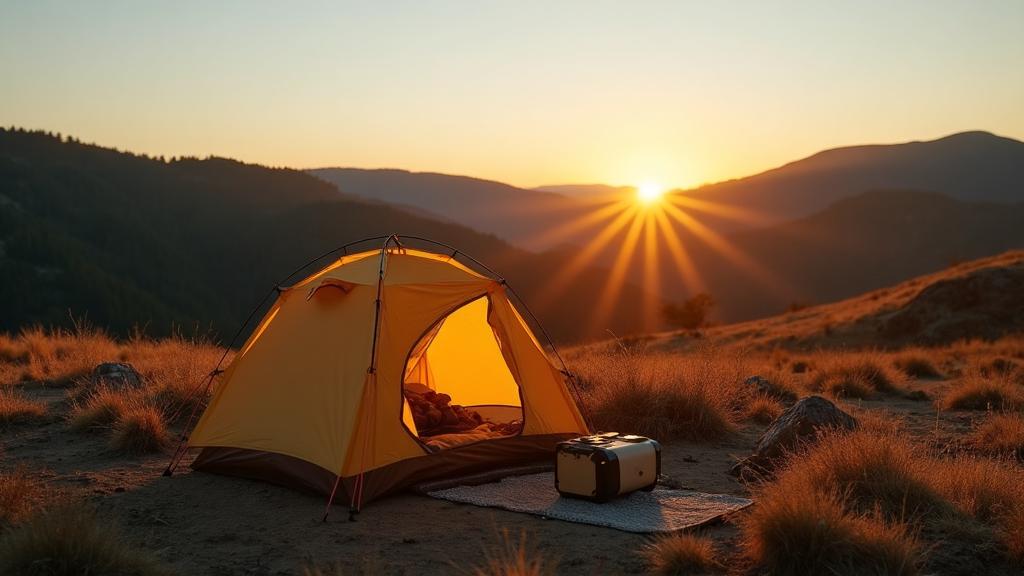
What Is Backcountry Camping on Vacant Land?
Backcountry camping on vacant land is exactly what it sounds like.
You find a remote piece of land—whether public or private—and set up camp.
No reservations. No campground fees. No neighbors 10 feet away.
Just you and nature.
Here's the deal:
This isn't your typical "pull up to a numbered site" camping.
You're self-sufficient out there. No hookups. No bathrooms. No fire pits waiting for you.
And that's the whole point.
Why do people choose backcountry camping?
- Solitude — No crowds, no noise, no distractions
- Freedom — Choose your exact spot, not a pre-assigned site
- Cost — Often free on public lands (BLM, USFS)
- Adventure — True wilderness experience
The best part?
Millions of acres across the United States allow this type of camping.
You just need to know the rules.
Public Land vs. Private Land: Camping Rules Compared
Not all vacant land is created equal.
Where you camp determines what rules apply.
Let me break it down:
| Factor | Public Land (BLM/USFS) | Private Land |
|---|---|---|
| Permission Needed | Generally no (unless posted) | Always required |
| Stay Limits | 14-16 days typical | Varies by county (30-180+ days) |
| Fees | Usually free | May have fees or leases |
| Regulations | Federal/state rules apply | County zoning rules apply |
| Availability | 247+ million acres in US | Must find willing landowner |
| Fire Restrictions | Seasonal bans common | County rules + owner rules |
Public Land Camping
Bureau of Land Management (BLM) and U.S. Forest Service (USFS) lands are the go-to for backcountry camping.
Why?
Because 247 million acres are managed by BLM alone.
And most of it allows "dispersed camping"—camping outside developed campgrounds.
Pro Tip: Download Motor Vehicle Use Maps (MVUMs) from the USFS website before your trip. These show exactly where you can legally drive and camp.
Private Land Camping
Want guaranteed privacy?
Own the land.
Or get permission from someone who does.
The catch?
County regulations often restrict how long you can camp on your own property—anywhere from 30 to 180 days per year without permits.
More on that later.
The 14-Day Rule: BLM and USFS Regulations Explained
Here's the most important rule you need to know:
You can camp on most BLM and National Forest land for up to 14 days.
After that, you must move at least 25 miles away.
Simple, right?
But there's more:
| Land Type | Stay Limit | Relocation Rule | Distance from Water |
|---|---|---|---|
| BLM Land | 14 days in 28-day period | 25 miles minimum | 200 feet |
| USFS Land | 14-16 days (varies by forest) | Usually 5+ miles | 100-200 feet |
| National Parks | Permit required | Backcountry only | 200 feet |
| State Forests | Varies by state | Check locally | 100-200 feet |
Key BLM Rules to Know
-
14/28 Day Cycle — Camp up to 14 consecutive days, then relocate 25 miles away before starting another 14-day period.
-
Personal Property Rule — Don't leave belongings unattended for more than 10 days (12 months in Alaska).
-
Motor Vehicles — Stay within 150 feet of designated routes on USFS land.
-
No Ground Disturbance — Don't dig trenches, cut vegetation, or alter the landscape.
Pro Tip: Call the local BLM or USFS district office before your trip. Rules vary by region, and fire restrictions can change daily during dry seasons.
What Happens If You Break the Rules?
Violations can result in:
- Fines up to $1,000+
- Being asked to leave immediately
- Banned from the area
- Vehicle impoundment in extreme cases
Not worth the risk.
How to Find Vacant Land for Camping
Ready to find your perfect spot?
Here's where to look:
Option 1: Public Land (Free)
Best Resources:
- BLM.gov — Official BLM maps and area information
- Recreation.gov — Permits and campground info
- Gaia GPS App — Shows land ownership boundaries
- CalTopo — Detailed topographic maps
- iOverlander — Crowdsourced dispersed camping spots
Option 2: Private Land (Permission Required)
Finding landowners:
- Hipcamp — Like Airbnb for camping on private land
- Landydandy.com — Browse vacant land for sale that's perfect for camping
- County Assessor Records — Look up parcel ownership
- Ask Local Farmers — Many allow camping for a small fee
Option 3: Buy Your Own Land
Here's the truth:
The ultimate backcountry camping experience is owning your own land.
No permission needed. No time limits (within county rules). Total freedom.
| Ownership Benefit | Why It Matters |
|---|---|
| No Reservations | Camp whenever you want |
| Build Improvements | Fire pits, shelters, trails |
| Privacy | No neighbors, ever |
| Investment | Land appreciates over time |
| Legacy | Pass down to family |
Pro Tip: Look for "recreational land" or "rural vacant land" with no HOA restrictions. These properties are often perfect for camping and cost less than residential land.
Essential Gear for Backcountry Camping
You're on your own out there.
Pack accordingly.
The Non-Negotiables
| Category | Essential Items | Why It's Critical |
|---|---|---|
| Shelter | Quality tent, ground cloth, stakes | Weather protection |
| Sleep System | Sleeping bag (rated 10° below expected lows), pad | Hypothermia prevention |
| Water | Filtration system + 3L capacity minimum | Dehydration kills |
| Navigation | Map, compass, GPS device | Cell service is unreliable |
| Fire | Lighter, matches, fire starter | Warmth, cooking, signaling |
| First Aid | Complete kit with medications | Help may be hours away |
| Light | Headlamp + extra batteries | Essential after dark |
| Food | 2,500+ calories/day, easy to prepare | Energy and morale |
Backcountry vs. Car Camping Gear
| Item | Car Camping | Backcountry Camping |
|---|---|---|
| Tent | Any size works | Under 5 lbs preferred |
| Cooler | Yes, for cold food | No—weight is critical |
| Stove | Propane camp stove | Compact backpacking stove |
| Chair | Folding camp chair | Sit on pad or ground |
| Lighting | Lanterns, string lights | Headlamp only |
| Water | Bring gallons | Filter from source |
Pro Tip: Test all gear before your trip. Set up your tent at home. Try your stove. Break in your boots. The backcountry is not the place to discover problems.
For a complete gear list, check our camping gear for vacant land guide.
Fire Safety and Leave No Trace Principles
This is where things get serious.
Wildfires destroy millions of acres every year.
Many are started by campers.
Don't be that person.
Fire Safety Rules
-
Check Fire Restrictions — Call the local ranger station or check online before every trip. Fire bans can change daily.
-
Use Existing Fire Rings — Never create new fire pits when you can use established ones.
-
Clear the Area — Remove all flammable material within 10 feet of your fire.
-
Keep It Small — Smaller fires are easier to control and extinguish.
-
Never Leave Unattended — Stay with your fire until it's completely out.
-
Drown, Stir, Feel — Pour water, stir ashes, feel for heat. Repeat until cold.
⚠️ Warning: During fire season (typically August-October in the West), campfires may be completely prohibited—including camp stoves in some areas. Violations can result in fines of $5,000+ and liability for firefighting costs.
The 7 Leave No Trace Principles
| Principle | What It Means |
|---|---|
| Plan Ahead | Know rules, prepare for weather, pack properly |
| Travel on Durable Surfaces | Use established trails and campsites |
| Dispose of Waste Properly | Pack out ALL trash, bury human waste 6-8" deep |
| Leave What You Find | Don't pick flowers, move rocks, or take artifacts |
| Minimize Fire Impact | Use stoves, keep fires small, use existing rings |
| Respect Wildlife | Store food properly, observe from distance |
| Be Considerate | Keep noise down, yield to others, respect privacy |
The bottom line?
Leave the land better than you found it.
Future campers—and the environment—will thank you.
State-by-State Camping Regulations on Private Land
Want to camp on your own land?
County rules vary wildly.
Here's what to expect:
| State | Typical Allowance | Notes |
|---|---|---|
| Alaska | Very permissive | Minimal restrictions in rural areas |
| Arizona | 120-180 days/year | Fire restrictions strictly enforced |
| California | 30-60 days (varies) | Coastal counties stricter than inland |
| Colorado | 14-120 days | Depends heavily on county |
| Florida | Generally permissive | Check local ordinances |
| Montana | Very permissive | Minimal rural restrictions |
| Nevada | 90-180 days | Some counties more flexible |
| New Mexico | Usually permissive | Rural areas have few restrictions |
| Oregon | Varies widely | Some counties very restrictive |
| Texas | Generally permissive | County-dependent |
| Utah | 90-180 days | Fire restrictions common |
| Washington | Varies by county | Western WA stricter than Eastern |
Pro Tip: Before buying land for camping, call the county planning or zoning department. Ask specifically about "recreational camping on vacant land in your zoning district." Have the parcel number ready.
Questions to Ask Your County
- How many days per year can I camp on my own vacant land?
- Do I need a temporary use permit?
- Are there requirements for water or waste disposal?
- What are the current fire restrictions?
- Are RVs treated differently than tents?
Safety Tips for Backcountry Camping
You're miles from help.
Plan for the worst.
The Big Three Threats
| Threat | Prevention | Response |
|---|---|---|
| Weather | Check forecasts, pack layers, know shelter options | Seek shelter immediately, stay dry |
| Wildlife | Store food properly, make noise, carry bear spray | Stay calm, back away slowly, never run |
| Injury/Illness | Bring first aid kit, know basic skills, tell someone your plans | Assess, treat, evacuate if needed |
Before You Go
-
File a Trip Plan — Tell someone exactly where you're going and when you'll return.
-
Check Conditions — Weather, road conditions, fire danger, wildlife activity.
-
Know Your Limits — Start with easier trips before attempting remote backcountry camping.
-
Bring Communication — Satellite communicator (like Garmin inReach) works where cell phones don't.
Wildlife Safety
| Animal | Prevention | If You Encounter |
|---|---|---|
| Bears | Store food in bear canisters, cook away from camp | Make yourself big, speak firmly, back away |
| Mountain Lions | Make noise, travel in groups, keep children close | Don't run, maintain eye contact, fight back if attacked |
| Snakes | Watch where you step, don't reach into blind spots | Stay calm, back away slowly, seek medical help if bitten |
| Moose | Give wide berth, never approach calves | Get behind a tree or obstacle, run if charged |
Pro Tip: Always carry a satellite communicator on backcountry trips. When you're 20 miles from the nearest road, cell phones are useless. A device like the Garmin inReach can save your life.
For more survival tips, see our how to survive camping guide.
Frequently Asked Questions
Is backcountry camping legal on vacant land?
It depends on who owns the land.
On public land (BLM, USFS), dispersed camping is generally legal unless posted otherwise. You must follow the 14-day rule and Leave No Trace principles.
On private land, you need the owner's permission. Camping without permission is trespassing—a criminal offense in most states.
On your own land, county regulations determine how long you can camp. Most rural counties allow 30-180 days per year without permits.
How do I find free places to camp on vacant land?
Start with BLM and National Forest land.
Use apps like Gaia GPS, CalTopo, or FreeRoam to find dispersed camping areas. Motor Vehicle Use Maps (MVUMs) from the USFS show legal camping spots in national forests.
For private land camping, try Hipcamp or contact local landowners directly. Some farmers and ranchers allow camping for a small fee.
What's the difference between dispersed camping and backcountry camping?
They're similar but not identical.
"Dispersed camping" typically refers to camping outside developed campgrounds on public land—often accessible by vehicle.
"Backcountry camping" usually means hiking or paddling to remote areas, carrying all your gear. It's more primitive and isolated.
Both require self-sufficiency and Leave No Trace practices.
Can I camp on my own vacant land year-round?
Usually not without restrictions.
Most counties limit camping on vacant land to a certain number of days per year (often 90-180 days) without permits.
Some counties distinguish between "temporary recreational camping" and "permanent residence." Living full-time in a tent or RV typically requires permits and may need to meet building code requirements.
Always check with your county planning department before assuming you can camp indefinitely.
Do I need a permit for backcountry camping?
It depends on location.
- BLM Land: Usually no permit needed for dispersed camping
- National Forests: Some require permits in high-use areas
- National Parks: Almost always require backcountry permits
- State Parks: Usually require campsite reservations
- Private Land: Permission from owner required (not a government permit)
When in doubt, call the managing agency for the specific area you plan to visit.
What should I do with human waste when backcountry camping?
Dig a cathole or pack it out.
The Leave No Trace method:
- Find a spot at least 200 feet from water, trails, and camp
- Dig a hole 6-8 inches deep
- Do your business
- Pack out toilet paper in a sealed bag (or use natural alternatives)
- Cover and disguise the hole
In fragile environments or high-use areas, pack out all waste using a WAG bag or similar system.
How far from water should I camp?
At least 200 feet (about 70 adult steps).
This protects water sources from contamination and allows wildlife access to drink. Some areas require even greater distances—check local regulations.
Never wash dishes, bathe, or dispose of waste within 200 feet of any water source.
Start Your Backcountry Adventure Today
Backcountry camping on vacant land offers something you can't find in crowded campgrounds.
Solitude. Freedom. Real wilderness.
Whether you camp on public land for free or invest in your own piece of paradise, the experience is unmatched.
Ready to find your perfect spot?
Browse vacant land for sale and start planning your backcountry adventure.
Or explore our guides on camping gear essentials and water filtration for off-grid camping.
The wilderness is waiting.