
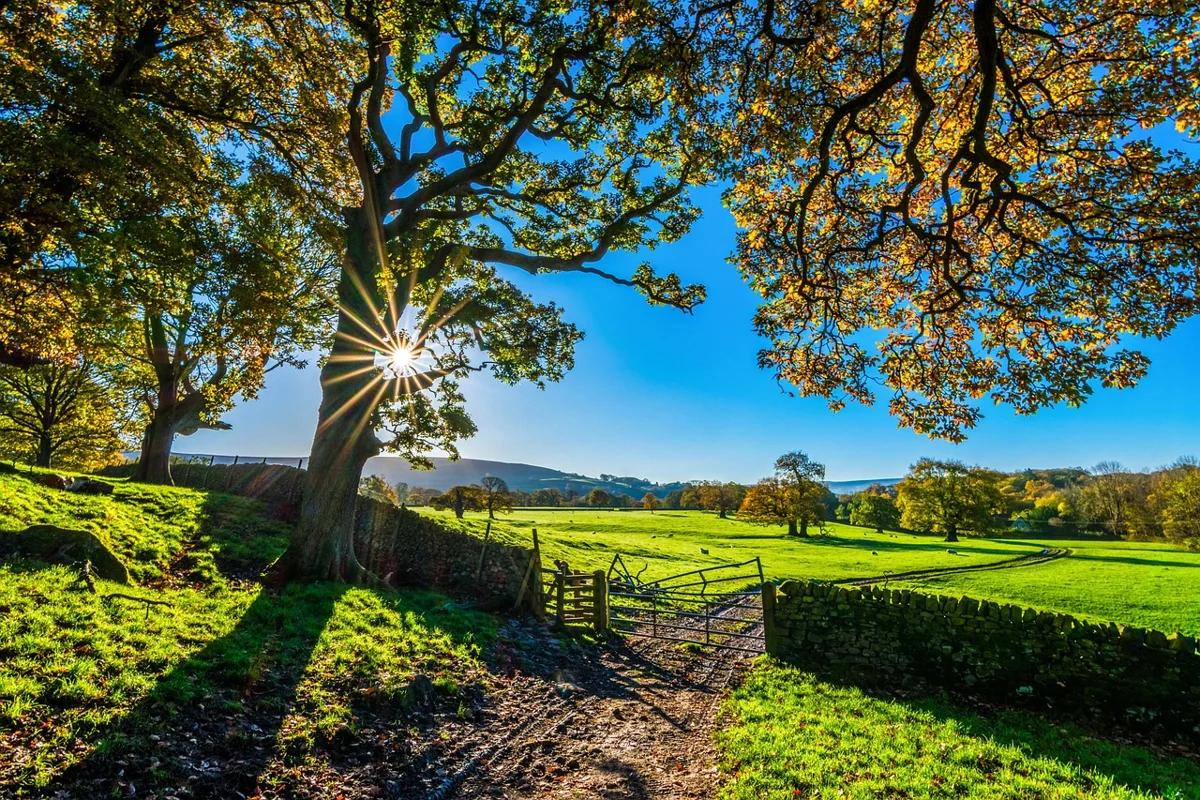
Benefits of Owning Land: Why It’s a Smart Move

Discover why owning land is a wise investment and lifestyle choice.

Land GuideNovember 21, 202528 min read
Benefits of Owning Land: Why It’s a Smart Move

What Are the Financial Benefits of Owning Land?

Owning land can feel like having a sturdy anchor in the swirling seas of financial uncertainty. Whether you're looking for steady growth, a hedge against inflation, or a tangible asset to pass on to future generations, land ownership offers a treasure trove of financial benefits. Let’s dive into the specifics of how land can boost your financial health. ### Tangible Asset with Increasing Value

Land is one of those rare assets that you can touch, feel, and even walk on. Unlike stocks, which can be a rollercoaster ride of ups and downs, land tends to appreciate over time. Think about it this way: they're not making any more of it. As populations grow and urban areas expand, the demand for land increases, pushing its value up.

  • Historical appreciation: Over the last 50 years, land values in many regions have consistently risen, outpacing inflation in the long term.
  • Case in point: A parcel of land purchased in a growing suburb a decade ago could now be worth double or triple its original price due to urban sprawl.

Passive Income Potential

If the idea of earning money while you sleep sounds appealing, then land might just be your ticket. Here’s how you can turn a plot of land into a revenue stream: - Leasing: Rent it out for agricultural use, parking lots, or even as a venue for events.

  • Timberland: Own a wooded plot? Harvesting timber can be a lucrative business with the right management.
  • Solar or wind farms: In areas with the right conditions, leasing land to energy companies can yield significant returns.

Security and Stability

In uncertain times, land offers a sense of security and stability that's hard to match. Why is that? Because land doesn’t vanish or go bankrupt. It can’t be hacked or stolen. It’s a low-risk investment with a high degree of certainty.

  • Long-term safety net: Owning land means you always have a valuable asset in your portfolio, something that can be liquidated in times of need.
  • Generational wealth: Land can be passed down, giving your descendants a solid financial foundation.

Low Maintenance Investment

Unlike properties that require constant upkeep, land is a low-maintenance investment. Here's why it’s a hassle-free choice: - No buildings to maintain: With land, you avoid the costs and headaches associated with property repairs and management.

  • Minimal tax burden: In many areas, the property taxes on vacant land are lower than those on developed properties.

Flexible and Versatile

The beauty of owning land is its flexibility. You can develop it, lease it, or simply hold onto it while it appreciates. Consider these options: - Future development: Build a home, a rental property, or a commercial space when the time is right.

  • Recreational use: Create a personal retreat or a hunting lodge, or even open it up for public recreation for a fee.
  • Land banking: Hold onto the land as an investment, waiting for the perfect opportunity to sell at a higher price.

Enhancing Your Lifestyle

Land ownership doesn’t just benefit your wallet; it can enhance your lifestyle too. Imagine owning a piece of nature—a private sanctuary away from the hustle and bustle.

  • Personal enjoyment: A place for family gatherings, camping trips, or simply a peaceful escape.
  • Eco-friendly living: Develop sustainable living spaces or organic farms, contributing to a greener planet.

Environmental Benefits

Owning land can also have positive environmental impacts. Here’s the eco-friendly angle: - Conservation efforts: Preserve natural habitats and biodiversity by maintaining untouched land.

  • Carbon offset: Forested land can act as a carbon sink, helping offset carbon footprints.

Legal Factors to Consider

Before diving into land ownership, it’s crucial to understand the legal landscape. Here’s what to keep in mind: - Zoning laws: Ensure the land can be used for your intended purpose.

  • Easements and rights: Be aware of any existing rights others may have to use parts of your land.
  • Title search: Verify ownership and any liens or disputes.

Comparison to Other Investments

Land stands out when compared to other investments like stocks or bonds. Here’s why land might be the better choice: - Stability vs. volatility: Land offers a steadier value trajectory, unlike the often unpredictable stock market.

  • Inflation hedge: As inflation rises, so does the value of land, maintaining your purchasing power.

In essence, owning land can be a cornerstone of financial well-being, offering security, potential income, and a tangible asset that appreciates over time. Its benefits stretch beyond just numbers, enhancing both lifestyle and environmental health. Whether you're considering buying your first plot or expanding your portfolio, land offers a versatile investment strategy that’s worth exploring.

How Does Land Provide Security and Stability?

Owning a piece of land... there's something deeply grounding about it, right? It’s not just about having a plot to call your own. There's a sense of security and stability that comes with it, akin to planting roots in solid ground. Let's explore how land ownership offers this unique blend of security and stability.

The Timeless Value of Land Land is a finite resource. Unlike stocks or even some commodities, you can't create more land. This scarcity gives land inherent value. Over time, as populations grow and urban areas expand, the demand for land typically increases. Think about cities you know: areas that were once outskirts are now bustling neighborhoods.

  • Example: In cities like San Francisco or New York, land values have skyrocketed over decades due to limited space and increasing demand. Owning land in such areas means holding a piece of the pie that's only getting more valuable.

Financial Cushion and Wealth Building Owning land can serve as a financial safety net. In times of economic uncertainty, land often holds its value better than other assets. It's less volatile than stocks and offers a tangible asset that you can leverage.

  • Case Study: Consider agricultural landowners. During economic downturns, they can lease their land for farming, generating a steady income while retaining ownership. It's a win-win.

"Land is the only thing in the world that amounts to anything, for 'tis the only thing that lasts." – Margaret Mitchell, Gone with the Wind

Diversification of Wealth

Adding land to your investment portfolio diversifies your assets. This diversification can protect you from market fluctuations. When one type of investment dips, land may rise or remain stable, balancing your overall financial health.

  • Practical Tip: If you're already invested in stocks or bonds, consider allocating a portion of your wealth to land. It acts as a hedge against inflation and market volatility.

Emotional Security and Legacy

Owning land isn't just a financial decision; it's deeply emotional. Imagine having a family retreat or a place to build a future home. It's not just about you anymore; it's about future generations too.

  • Personal Example: A family I know bought a small plot by a lake decades ago. Over the years, it's become a cherished family gathering spot, a place where memories are built and passed down.

Stability in Living Situations Land offers the flexibility to build as you wish. Whether it's constructing your dream home or setting up a tiny house, you have the autonomy to shape your space. This can lead to significant savings over renting or buying a pre-built home.

  • Step-by-Step: If you want to build on your land, start by:
  1. Researching zoning laws and obtaining necessary permits.
  2. Designing a layout that suits your needs.
  3. Hiring trusted contractors to bring your vision to life.

Environmental and Personal Impact Owning land allows you to make environmentally conscious choices. You can choose sustainable building practices or set aside areas as natural preserves. It's empowering to know you're contributing to environmental sustainability.

  • Innovative Idea: Transform part of your land into a solar farm or plant trees to offset carbon footprints. It not only benefits the planet but can also offer tax incentives.

Resilience in Changing Markets Land provides a buffer against real estate market shifts. While housing prices might fluctuate greatly, the land underneath often retains or increases its value. It’s the ground beneath the house that holds the real worth.

  • Statistic: Historically, land value appreciates about 3-5% annually. This consistent rise can outpace inflation, preserving your purchasing power.

The Peace of Mind Factor There’s a profound peace that comes from knowing you have a place to call your own. It's not just about the financials—it's about the psychological comfort of having something secure in an ever-changing world.

  • Reflective Question: Think about the last time you felt truly at home. Wouldn't it be powerful to have that feeling tied to a piece of earth you own?

Owning land provides a unique blend of financial, emotional, and environmental benefits. It’s about grounding yourself in something tangible, something lasting. As you consider this journey, remember the stability and security it can offer—not just now, but for generations to come.

Why Is Land a Low-Maintenance Investment?

Land as an investment can seem a bit under the radar compared to flashy stocks or bustling rental properties. But if you're looking for something that's easy on the maintenance front, owning land is like a breath of fresh air. Here's why. Once you've got the land, there's not much you need to do. No roofs to replace, no tenants to manage, no plumbing issues. It just... sits there. Think about it like having a savings account that doesn’t need constant attention, yet holds potential for growth.

Minimal Ongoing Costs Owning land doesn’t drain your wallet with ongoing costs. You won’t be dealing with the usual suspects like utility bills, constant maintenance, or repairs. Sure, you’ll have property taxes, but they’re often lower for land than for developed properties. Consider this: a friend of mine bought a small plot of land a few years back. Their annual costs? Just some property taxes and the occasional bit of lawn mowing to keep things tidy. Compare that to a rental property where you might be fixing a leaky roof one day and dealing with a broken heater the next.

Time-Saving Investment Land ownership saves a ton of time. You can basically set it and forget it. You won’t be spending weekends fixing things or fielding late-night calls from tenants. For those of us juggling full-time jobs or family commitments, this is huge. Imagine having an investment that doesn’t demand your constant attention—it's like having a silent partner that just quietly appreciates over time.

Fewer Regulatory Headaches The regulatory landscape for land is often less burdensome. When you own a building, you're constantly navigating zoning laws, building codes, and rental agreements. Land? Not so much. Sure, you’ll need to be aware of zoning laws or any restrictions on development, but once you’ve done your homework, there aren’t many hoops to jump through. A buddy of mine bought land in a rural area with plans to build a cabin someday. He loves that there's no pressure to do anything right now—no inspections, no compliance checkups. Just peace of mind.

Resilience in Market Fluctuations Land tends to be more resilient in economic downturns. While stocks can plummet and properties can lose tenants, land just... sits there. It’s less susceptible to the volatility that can keep investors up at night. During the last recession, many folks saw their property values drop or their rental income dry up. Yet, those who held onto land noted that its value didn’t take a nosedive. It’s a stable piece of the investment puzzle.

Scalability and Passive Growth Land offers unique scalability. You can start small and expand as opportunities arise. Maybe you begin with a small parcel and, over time, acquire adjacent plots. Or perhaps you hold onto it until the area develops around you, increasing its value without you lifting a finger. I know someone who bought a small piece of land near a budding town. Fast forward a few years, and the area developed rapidly, turning their originally modest investment into a lucrative opportunity when they decided to sell.

Environmental and Personal Benefits There are environmental perks as well. Unused land can act as a carbon sink, contributing positively to the environment. Plus, if you're into conservation, you can turn your land into a haven for local wildlife or native plants. This isn't just good for the planet; it can also lead to tax breaks or incentives depending on where you are. A family friend turned their land into a sanctuary for local birds, reaping both emotional rewards and tax benefits.

Practical Tips for Low-Maintenance Land Ownership

  1. Research Before You Buy: Check zoning laws and potential for development. Make sure there aren’t any hidden fees or restrictions that could complicate things later.

  2. Consider Location: Proximity to growing areas could mean natural appreciation over time, without you lifting a finger.

  3. Keep It Simple: Maintain the land minimally. Regularly check for invasive species, manage the grass, and ensure it’s not being used without your permission.

  4. Network with Locals: Building a relationship with nearby landowners or local real estate agents can provide insights and opportunities for future growth.

In essence, owning land is like having a reliable friend who doesn’t ask for much but offers plenty in return. It’s a straightforward investment, allowing you to enjoy the stability and potential growth it offers without the headaches of traditional property management. Ready for the next step? Let’s explore how land ownership can enhance your lifestyle.

What Makes Land Ownership Flexible and Versatile?

Imagine the freedom of owning a piece of land that's as versatile as your dreams. Land ownership is like holding a blank canvas. It offers endless possibilities, whether you’re thinking about building a home, starting a business, or simply holding onto it as an investment. Let’s dig into why owning land is such a flexible and versatile opportunity.

Unlocking Potential with Land Owning land is all about potential. You can choose to develop it immediately or keep it as is for future projects. The versatility comes from the fact that you can pivot your plans as life changes. Today, it might be a peaceful retreat; tomorrow, it could be the site of a bustling new venture.

  • Building a Home: You control the design, the view, the materials. It's a chance to create a space that reflects your personality.
  • Starting a Business: Whether it’s a small farm, a vineyard, or a solar energy project, land offers the freedom to innovate.
  • Holding for Investment: Land can appreciate over time, especially in growing areas. It’s a tangible asset you can rely on.

And here’s something to consider: land doesn’t depreciate like other assets. Unlike vehicles or equipment, it retains or even increases in value over time. This makes it a smart choice for those looking to build wealth steadily.

Adapting to Lifestyle Changes

Life is unpredictable, and our needs evolve. Land ownership adapts with you. Consider a young couple buying a plot today with plans to build their dream home in a decade. That same land could also be leased to a local farmer in the meantime, generating income without a lot of effort.

  • Flexibility in Use: You can change how you use the land as your life changes. Build now, farm later, or vice versa.
  • Leasing Options: Not ready to develop? Lease the land temporarily to someone who can use it, such as for agriculture or storage.
  • Future Development Rights: You always have the option to develop or sell development rights, potentially profiting from zoning changes or urban expansion.

Think about it: owning land is like having a key to a door that opens whenever you're ready. You don't have to have everything figured out today. The land waits.

Simplifying the Investment Land is a low-maintenance investment. There’s no tenant turnover, no need for constant repairs, and no utility bills. It’s the kind of investment that doesn’t demand your daily attention but offers peace of mind that it’s there, quietly gaining value.

  • Minimal Upkeep: Unlike properties with structures, bare land doesn’t need regular maintenance. A periodic check and basic upkeep are usually sufficient.
  • Tax Benefits: In some regions, there are tax incentives for landowners, especially if the land is used for agriculture or conservation.

Case Study: The Multifaceted Landowner

Let’s look at Sarah, who bought five acres on the outskirts of a growing city. Initially, she used it as a weekend getaway, a place to unwind. As the city expanded, she saw an opportunity and leased part of her land to a local farmer, generating rental income. Eventually, when a tech company sought land for a data center, Sarah sold a portion at a significant profit. Her land adapted to her needs over time, proving its versatility. ### Environmental and Personal Benefits Owning land can also enhance your lifestyle and contribute to environmental sustainability. Think about planting trees or maintaining a natural habitat. You're not just owning land; you're stewarding a piece of the Earth.

  • Personal Sanctuary: Create a space for relaxation, away from the hustle and bustle of city life.
  • Eco-Friendly Projects: Engage in activities like reforestation or organic farming that support the environment.

Owning land is more than a financial decision; it’s about lifestyle and legacy. It’s about what you do with your piece of the world.

Navigating the Legal Landscape

Before you jump into land ownership , understanding the legal factors is crucial. From zoning laws to environmental regulations, being informed helps you make the most of your investment.

  • Zoning Laws: These determine what you can and cannot do with your land. Always check local regulations.
  • Environmental Restrictions: Some properties come with restrictions aimed at preserving natural resources. These can affect how you use the land.

Ready to Explore?

Owning land is like holding a versatile tool in your investment toolkit. It’s adaptable, enduring, and offers both financial and personal rewards. So, what’s your dream? Whether it’s building, investing, or just watching it grow in value, land can be the platform you need. Why not start exploring today?

Can Land Ownership Enhance Your Lifestyle?

Owning land isn't just about having a piece of the earth to call your own. It's about enhancing your lifestyle in ways that might surprise you. Here’s how it happens:

Financial Security and Growth Owning land can be a cornerstone of financial stability. Unlike volatile stock markets or depreciating vehicles, land is a tangible asset that doesn't just vanish. In fact, its value often appreciates over time. Think about it—historically, land has been a reliable investment. Its scarcity means demand often outpaces supply, driving up prices.

  • Example: Consider Jane, who bought a plot of land in a developing area. Over a decade, as the area developed, the land's value tripled. She eventually sold it for a significant profit, funding her retirement.
  • Tip: Research areas with growth potential. Look for upcoming infrastructure projects or new developments that could increase land value.

Personal Freedom and Creativity Land ownership gives you the freedom to create your own paradise. Whether it's building your dream home, starting a small farm, or simply enjoying open space, the possibilities are endless. You’re not tied down by landlord rules or HOA restrictions.

  • Example: Tom and Lisa used their land to cultivate a thriving organic garden. Not only do they save money on groceries, but they also enjoy a healthier lifestyle and the joy of harvesting their own food.
  • Step-by-step: Start by assessing what you want. A garden? A workshop? Plan your space and budget accordingly, taking small steps to turn your vision into reality.

Environmental Impact Owning land allows you to contribute positively to the environment. You can implement sustainable practices that benefit both the ecosystem and your wellbeing. Think reforestation projects, wildlife habitats, or organic farming.

  • Statistic: According to a study by the Environmental Protection Agency, small-scale landowners can significantly impact local biodiversity and carbon sequestration.
  • Actionable Insight: Consider planting native trees or creating a rain garden. These efforts not only support local wildlife but also enhance your property’s beauty and value.

Lifestyle Flexibility Land offers unmatched lifestyle flexibility. Want to convert part of it into a rental property? Go ahead. Interested in setting up a tiny house for guests or short-term rentals? It’s your call. Land doesn't just sit there; it can adapt and serve multiple purposes over time.

  • Case Study: Sarah turned a portion of her land into a glamping site. With minimal investment, she created an additional income stream by renting it out to urbanites seeking a weekend retreat.
  • Pro Tip: Explore zoning laws and permits in your area to ensure your plans are feasible. This can save you headaches and open up new opportunities.

Personal Security and Peace of Mind Owning land can offer a sense of personal security and peace. There's something profoundly reassuring about knowing you have a place that's entirely yours. This sense of ownership can provide stability, especially in uncertain times.

  • Example: During the pandemic, many sought refuge in rural properties. The ability to retreat to a private space away from crowded cities proved invaluable.
  • Next Step: If personal security is a priority, consider land with natural barriers or in gated communities for added peace of mind.

Community and Legacy Land ownership allows you to build and maintain a legacy. It’s not just about you; it’s about what you leave behind. Land can be an inheritance, a place for future generations to gather and grow.

  • Example: The Johnson family has owned a piece of land for three generations. It’s become a cherished part of their family history, hosting reunions and memories year after year.
  • Consider This: Think long-term about how your land can serve your family or community. It might shape decisions about how you develop or preserve it.

By investing in land, you’re not just buying property; you’re investing in a lifestyle. Whether it's financial growth, personal freedom, or environmental stewardship, owning land opens doors to numerous benefits that can enhance your life in profound ways. So, what's your next step? Look for opportunities that align with your lifestyle goals and values. And remember, every piece of land has its potential—it’s up to you to unlock it.

Are There Environmental Benefits of Owning Land?

Owning land isn't just about personal gain; it's about contributing to the environment in ways you might not expect. Let's dive into some ways land ownership can benefit Mother Nature.

Land Stewardship and Conservation Owning land gives you the opportunity to become a steward of the environment. This means taking active steps to protect and enhance natural habitats found on your property. Think about it like this: when you own land, you can choose to implement practices that support biodiversity. For example, you could plant native trees and shrubs that attract and support local wildlife. Or, you could create a small wetland area that serves as a haven for frogs, birds, and insects.

  • Case Study: In the Pacific Northwest, private landowners have partnered with conservation groups to restore salmon habitats. These efforts not only help the fish populations but also improve water quality and soil health.

By maintaining natural habitats, you help preserve ecosystems that many species rely on. And as these habitats thrive, they contribute to the overall health of the planet.

Carbon Sequestration Trees and plants on your land can help capture carbon dioxide from the atmosphere. This natural process, known as carbon sequestration, is critical in the fight against climate change. By planting more trees and maintaining forests, you not only create a beautiful landscape but also contribute to reducing greenhouse gases.

  • Statistics: According to the U.S. Department of Agriculture, a single acre of mature trees can absorb the carbon dioxide produced by a car driven 26,000 miles annually.

Imagine that—a small forest on your land could offset the emissions from several vehicles each year. It's a simple yet impactful way to make a difference.

Sustainable Agriculture Practices If you're using your land for agriculture, adopting sustainable practices can significantly reduce your environmental footprint. Sustainable agriculture involves techniques that protect the environment, enhance soil fertility, and conserve water.

  • Example: Implementing crop rotation and cover cropping can enhance soil health and reduce the need for chemical fertilizers and pesticides. This not only benefits your crops but also protects local waterways from pollution.

By choosing sustainable methods, you create a healthier ecosystem on your land and contribute to a more sustainable food system overall.

Water Conservation and Management Owning land allows you to manage water resources effectively. This can be crucial in areas prone to drought or flooding. Installing rain gardens or using permeable paving can help manage stormwater runoff, reducing erosion and improving water quality.

  • Tip: Consider installing a rainwater harvesting system. This can help reduce reliance on municipal water sources and ensure you have a supply of water for irrigation during dry spells.

Taking proactive steps to manage water on your property can support local ecosystems and reduce the impact of extreme weather events.

Renewable Energy Opportunities Land ownership opens up possibilities for renewable energy projects. Installing solar panels or wind turbines can provide clean energy for your home and potentially for others in your community.

  • Example: In rural areas, some landowners have leased portions of their land to solar farms. This not only generates income but also contributes to the local renewable energy supply.

Imagine your land not just as a piece of property, but as a source of sustainable energy that can power homes and reduce reliance on fossil fuels.

Preserving Open Spaces Owning land helps preserve open spaces, which are vital for ecological balance. These areas provide habitats for wildlife, support biodiversity, and offer recreational opportunities for people.

  • Insight: Open spaces are critical for pollinators like bees and butterflies, which are essential for healthy ecosystems and agriculture.

By maintaining open spaces, you play a part in preserving natural landscapes that benefit both people and wildlife.

Encouraging Eco-Friendly Development As a landowner, you can influence how your land is developed or used. By advocating for eco-friendly development practices, you can ensure that any building or infrastructure projects consider environmental impacts.

  • Step-by-Step: Before any development, conduct an environmental impact assessment. This helps identify potential environmental consequences and allows you to implement measures to mitigate them.

Think of it this way: your decisions can set an example for others and promote a culture of sustainability in your community.

Supporting Local Ecosystems Your land can become a sanctuary for local flora and fauna. By incorporating native plants and creating diverse habitats, you support species that are struggling in more urbanized areas.

  • Case Study: In urban areas, some landowners have transformed portions of their property into urban wildlife habitats. This not only enhances biodiversity but also provides educational opportunities for the community.

Creating a refuge for wildlife on your land can be incredibly rewarding and serves as a testament to the positive impact of thoughtful land ownership.


By considering the environmental benefits of owning land, you transform your property into more than just an asset. It becomes a vital part of the ecological community. Next, let's explore the legal factors you should consider before buying land...

When you're thinking about buying land, there's this mix of excitement and anxiety. It's a big step, right? You're probably dreaming about what you can build or how it might secure your future. But hang on—there are some legal factors you need to consider first. Let's dive into those.

Understand Zoning LawsZoning laws can make or break your plans.

These are local government regulations dictating how you can use the land. Maybe you want to build a cozy cabin, but if the area is zoned strictly for agriculture, you could hit a wall.

  • Residential vs. Commercial: Know what’s allowed. Residential zones differ greatly from commercial ones.
  • Future Changes: Zoning isn’t static. Check if there are plans to change the zoning rules soon.
  • Variance Possibilities: If your dream doesn’t fit, you might apply for a variance. But it’s a process and not a guarantee.

Think about it this way: zoning laws are like the rules of a board game. Before you start playing, you need to know what’s allowed.

Check for Easements

Easements can be a hidden surprise.

They’re like invisible strings tied to the land, allowing others to use part of it for specific purposes.

  • Utility Easements: Often, utility companies have the right to access parts of your land to maintain power lines or water pipes.
  • Access Easements: Sometimes, a neighbor needs to cross your property to reach theirs. This can affect your privacy and plans.
  • Conservation Easements: These can limit what you can do with the land to preserve environmental quality.

Always get a title search to uncover any easements. It’s all about knowing who else has a say in what happens on your turf.

Review Environmental Regulations

Environmental factors aren’t just about green living.

They can affect your land use and investment.

  • Wetland Restrictions: If your land includes wetlands, there are strict rules on what you can do.
  • Endangered Species: Land hosting endangered species might have use restrictions to protect habitats.
  • Contamination Issues: Check for past land use that might have led to soil or water contamination. This could mean costly cleanup.

A land surveyor or environmental consultant can be invaluable here, helping you navigate these potential hurdles.

Investigate Land Use History

The past shapes the future.

Knowing how the land was used before can provide insights—and warnings.

  • Previous Ownership: Who owned it, and what did they do with it? This can reveal potential issues or benefits.
  • Historical Uses: Land used for industrial purposes might have contamination issues.
  • Legal Disputes: Check for any ongoing or past legal battles over the land.

Understanding the land’s history is like reading its autobiography. It tells you what you’re stepping into.

Secure a Title Insurance

Title insurance is peace of mind in a policy.

It protects you against past claims or legal issues that might arise after purchase.

  • Ownership Conflicts: Protects against disputes over previous ownership.
  • Lien Coverage: Ensures there are no outstanding debts tied to the property.
  • Boundary Issues: Covers problems with property lines that could cost you dearly.

Think of it as a safety net, catching those unseen issues before they cause problems.

Assess Water Rights

Water can be a major factor.

Especially in rural or agricultural areas, water rights are crucial.

  • Access to Water Sources: Ensure the land has adequate rights to water sources for your needs.
  • Regulations and Restrictions: There might be limitations on how much water you can use.
  • Seasonal Variability: Consider how water availability might change through the year.

Water rights can mean the difference between a thriving homestead and a parched patch of earth.

Consider Tax Implications

Property taxes can sneak up on you.

Understanding them helps you budget effectively.

  • Assessment Rates: Know how your land will be valued and taxed annually.
  • Tax Breaks: Some lands offer tax incentives, like conservation land or agricultural use.
  • Future Changes: Be aware that tax rates or assessments might change, affecting your long-term budget.

Always consult with a tax advisor to understand the full implications of your land purchase.

Evaluate Access and Infrastructure

You need to get there, and so does everything else.

Roads and infrastructure are key.

  • Road Access: Is there a public road, or do you need to build access?
  • Utilities: Check for connectivity to water, electricity, and sewage systems.
  • Internet and Communication: Essential in today’s world, especially if you plan to work or stay connected from your land.

The ease of access and available infrastructure can significantly impact the land's usability and your future plans.

Look into Legal Restrictions

Don’t overlook legal restrictions.

These can range from building codes to protected lands.

  • Building Codes: Ensure any planned structures meet local regulations.
  • Protected Lands: Some areas are protected for historical or ecological reasons.
  • Homeowner Association (HOA) Rules: If applicable, these can dictate everything from house colors to landscaping.

Legal restrictions are like the fine print. You need to read it to avoid unplanned headaches.

Verify Boundaries

Know exactly what you’re buying.

Boundary disputes can be costly and frustrating.

  • Professional Survey: Hire a surveyor to confirm boundaries.
  • Neighboring Claims: Be aware of any informal claims or encroachments by neighbors.
  • Natural Boundaries: Sometimes rivers or trees form natural borders, but these can shift over time.

A clear understanding of your land's boundaries prevents future disputes and unwelcome surprises.


Buying land is a journey filled with potential and pitfalls. By tackling these legal aspects head-on, you not only safeguard your investment but also pave the way for a smoother path to realizing your dreams. For those interested in backcountry camping on vacant land, understanding these factors is crucial.

How Does Land Compare to Other Property Investments?

The Financial Benefits of Owning Land

Owning land might sound like an old-school investment, but there's a reason it's stood the test of time. Think of land as the steady, reliable friend in your investment portfolio. It doesn’t vanish with market fluctuations or need constant monitoring. Here’s why it’s financially solid:

  • Appreciation Potential: Unlike cars that depreciate, land can increase in value over time. Imagine owning a piece of property in an up-and-coming area. As the surrounding infrastructure develops, your land's value might skyrocket.
  • Low Holding Costs: Land doesn’t demand much. No tenants means no maintenance hassles. Just pay your property taxes and occasional insurance.
  • Tax Advantages: Depending on where you live, there might be tax breaks or incentives for landowners. Always consult a tax professional to explore these benefits.

But what about other types of investments? Stocks, bonds, and other real estate options each have their merits, but land offers a unique balance of stability and growth potential.

Security and Stability Through Land Ownership

We all crave a sense of security, especially when it comes to our finances. When you own land, you're not just holding an asset; you're securing your future. Here's what I mean:

  • Tangible Asset: Unlike stocks or bonds, which are mere numbers on a screen, land is something you can touch, walk on, and build upon.
  • Inflation Hedge: Historically, land values have kept pace with or exceeded inflation. While paper money may lose value, land tends to hold its worth.

You know that feeling when you finally pay off a big debt? That’s the kind of relief and stability land ownership can provide. It’s not just about financial gain; it’s about peace of mind.

Land as a Low-Maintenance Investment

If the thought of constant property repairs sends shivers down your spine, land might be the investment for you. Picture this: no leaky roofs, no broken appliances, just pure ownership. Here’s why it’s a breeze:

  • Minimal Upkeep: With no structures to maintain, you’re free from the typical headaches of real estate ownership.
  • Flexibility with Use: You can lease it out for agriculture, solar panels, or even a billboard. All while keeping your hands clean.

This is for those who want their investment returns without the everyday grind.

Flexibility and Versatility of Land Ownership

Owning land is like having a blank canvas. You can transform it into whatever suits your vision and needs. Consider these possibilities:

  • Development Opportunities: Build a home, a community park, or even a commercial space. The choice is yours.
  • Leasing Options: Lease your land for farming, parking lots, or mobile towers and generate passive income.
  • Personal Use: Need a weekend getaway spot or a family camping site? Your land can be a personal retreat. For those interested in backcountry camping on vacant land, owning land provides a perfect opportunity.

Think about it this way: owning land is like having a wildcard in your hand. You decide how to play it, depending on your goals and dreams.

Enhancing Lifestyle Through Land Ownership

Land isn’t just about financial gains; it’s about lifestyle enhancement. Imagine having a personalized space that reflects your values and passions. Here’s how it can transform your life:

  • Connection to Nature: If you love the outdoors, owning land gives you a piece of nature that’s always yours to enjoy.
  • Community Impact: Develop your land in ways that benefit others, like community gardens or local events.

It’s not just an investment in your portfolio; it’s an investment in your quality of life.

Environmental Benefits of Owning Land

Owning land offers unique opportunities to make environmentally conscious decisions. Consider the impact of sustainable practices on your property. Here are some eco-friendly benefits:

  • Conservation Efforts: Preserve natural habitats or create green spaces that promote biodiversity.
  • Renewable Energy Projects: Use your land for solar or wind energy projects, contributing to a greener planet.

Owning land allows you to make choices that benefit both your wallet and the world.

Legal Considerations Before Buying Land

Before jumping into land ownership, it's crucial to understand the legal landscape. Here’s what you need to know to protect your investment: - Zoning Laws: Check local zoning regulations to ensure your intended use is permitted.

  • Title Search: Conduct a title search to verify ownership and uncover any existing liens or disputes.
  • Environmental Regulations: Be aware of any environmental restrictions or obligations tied to your land.

Think of these legal checkpoints as your investment safety net.


Owning land isn’t just an investment in property; it’s an investment in possibilities. Whether you’re looking for financial security, lifestyle enhancement, or environmental impact, land offers something unique. Imagine the freedom and stability that come with owning a piece of the earth. It’s not just about today; it’s about shaping your future.

Frequently Asked Questions

Q: What are the most significant financial benefits of owning land? A: Land ownership offers long-term appreciation, stable value, and minimal ongoing expenses compared to developed properties[2][4]. Owners can benefit from rising land values over time, while holding costs are typically limited to property taxes and basic maintenance[6]. Additionally, land is a tangible asset that cannot be easily destroyed or devalued by market fluctuations, supporting financial stability and diversification[4].

Q: How does owning land provide tax advantages? A: Landowners can qualify for multiple tax benefits, including reduced property taxes, deductions for improvements and maintenance, and favorable long-term capital gains rates upon sale[1][11]. For income-generating or business land, expenses like management and repairs can be deducted from taxable income[1]. Conservation easements or agricultural use may offer additional specialized tax relief or credits depending on the property's location and use[1][5].

Q: Is owning land a low-maintenance investment? A: Yes, land requires minimal maintenance compared to properties with structures, as there are no tenants, repairs, or utility bills[2][6][8]. Owners need only cover basic costs such as property taxes and, in some cases, modest security measures or minimal upkeep[2][5]. This makes land an attractive, hands-off investment for those seeking hassle-free asset growth over time[8].

Q: What lifestyle or personal benefits come with owning land? A: Owning land grants a sense of freedom, privacy, and control over your property use, which few other investments can offer[3][4]. Landowners can escape restrictive rental agreements, enjoy a private retreat, and make creative decisions about how their land is used—from recreation to conservation or even personal construction projects[4]. This autonomy supports greater financial flexibility and personal satisfaction[3].

Q: Can land ownership generate income or economic opportunities? A: Yes, land owners can create income through lease, agriculture, development, or rental[5][16]. Opportunities vary by the property's location and permitted uses—such as farming, leasing for recreational activities, or developing for commercial use[5][16]. These options allow owners to adapt to market demand and maximize the economic return on their investment.

Resources & Citations

Next steps for Benefits of Owning Land: Why It’s a Smart Move

Pair what you learned with live inventory, concierge support, and flexible owner financing.