
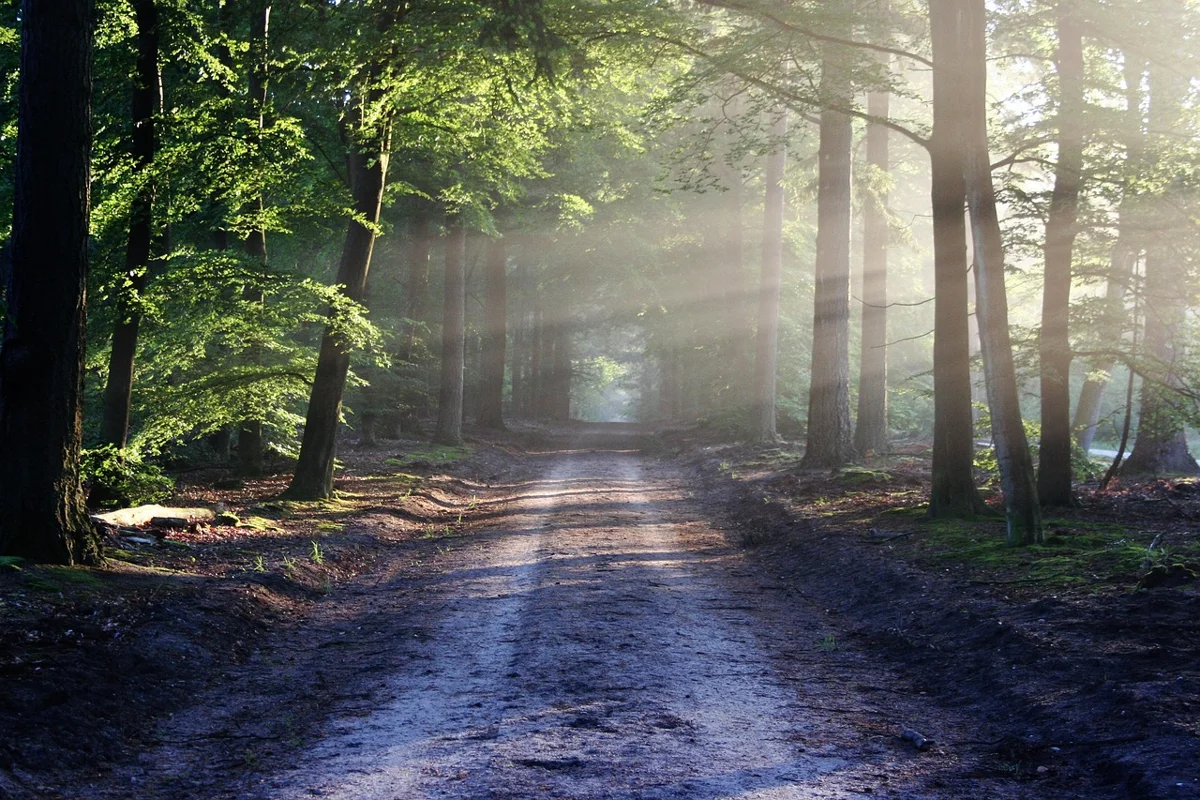
Outdoor Recreation on Land: Discover Hidden Gems

Explore activities, legal insights, and top spots for land-based fun.

Land GuideNovember 21, 202531 min read
Outdoor Recreation on Land: Discover Hidden Gems

What Is Outdoor Recreation on Land?

Outdoor recreation on land is like a breath of fresh air. It's about stepping outside, feeling the earth beneath your feet, and reconnecting with the natural world. From hiking and camping to birdwatching and picnicking, there's a land-based adventure for everyone.

But what exactly does it encompass, and how can you dive into these activities? Let's explore.

Understanding Outdoor Recreation on Land

At its core, outdoor recreation on land involves activities that take place on terrestrial ecosystems.

Think about hiking through a forest, mountain biking on a rugged trail, or simply enjoying a picnic in a national park. It's all about interacting with the landscape, whether that's through a leisurely stroll or an adrenaline-pumping climb.

  • Hiking and Walking: The most popular forms of land recreation, offering a range of difficulties from easy trails to challenging treks.
  • Camping: A way to immerse yourself in nature, whether you're setting up a tent in a remote wilderness or parking an RV at a campsite. For those interested in a more adventurous experience, consider backcountry camping on vacant land.
  • Birdwatching and Wildlife Observation: These activities allow you to appreciate the flora and fauna in their natural habitats.

Where Can You Find the Best Hiking Trails?

When it comes to hiking, location is everything.

You want trails that offer stunning views, varying terrains, and a sense of adventure. Here are some top spots:

  • National Parks: Places like Yellowstone and the Grand Canyon not only provide breathtaking scenery but also well-marked trails for all skill levels.
  • State Parks: Often less crowded than national parks, they offer hidden gems such as waterfalls, caves, and unique rock formations.
  • Local Nature Reserves: Perfect for a quick escape, these areas are great for short hikes and nature walks.

Tip: Always check trail conditions and weather forecasts before heading out. A little preparation goes a long way.

How Do Regulations Affect Your Outdoor Adventures?

Regulations are in place to protect both the environment and the people who enjoy it.

Understanding these rules can enhance your outdoor experience while ensuring you stay on the right side of the law.

  • Permit Requirements: Some areas, especially popular national parks, might require permits for entry or specific activities like camping or fishing.
  • Leave No Trace Principles: These guidelines encourage minimal impact on the environment, emphasizing the importance of carrying out what you bring in.
  • Safety Regulations: Adhering to trail markers and respecting wildlife are crucial for a safe adventure.

But there's a catch:Regulations can vary widely from one location to another.

Always research the specific rules for the area you're visiting.

Which Activities Can You Enjoy in National Parks?

National parks are a treasure trove of activities, offering something for everyone.

From the seasoned adventurer to the casual visitor, there's plenty to do:

  • Hiking and Backpacking: Explore trails that range from short loops to multi-day treks.
  • Wildlife Viewing: Many parks are home to diverse ecosystems, making them ideal for spotting animals in their natural habitats.
  • Photography: Capture the beauty of untouched landscapes, towering cliffs, and vibrant sunsets.

And here's why they're special: National parks often provide guided tours and educational programs, enhancing your understanding of the natural world.

How to Plan the Perfect Camping Trip?

Planning is key to a successful camping trip.

Whether you're a first-timer or an experienced camper, consider these steps:

Choose Your Location: Decide whether you want a designated campsite with amenities or a more primitive site. 2.

Check the Weather: Know what to expect and pack accordingly. 3.

Pack Essential Gear: This includes a tent, sleeping bag, cooking equipment, and appropriate clothing. 4.

Plan Your Meals: Pre-plan your menu and pack non-perishable items. 5.

Prepare for Emergencies: Carry a first aid kit, map, and compass or GPS device.

Remember: Respect the campground rules and the natural environment to ensure a pleasant experience for everyone.

What Are the Benefits of Birdwatching and Wildlife Observation?

Birdwatching and wildlife observation offer a unique way to connect with nature.

Here’s why they’re worth trying:

  • Stress Relief: Spending time in nature has been proven to reduce stress and improve mental well-being.
  • Educational Opportunities: Observing animals in their habitats provides insights into their behaviors and ecosystems.
  • Conservation Awareness: These activities often foster a deeper appreciation for wildlife and the need to protect natural habitats.

Imagine the thrill of spotting a rare bird or witnessing a deer grazing at dawn—these are moments that enrich your outdoor experience.

How to Ensure Safety During Outdoor Recreation?

Safety should always be a priority when engaging in outdoor activities.

A few basic precautions can make all the difference:

  • Be Aware of Your Surroundings: Know the terrain and potential hazards like steep drops or slippery rocks.
  • Stay Hydrated and Nourished: Bring plenty of water and snacks, especially for longer outings.
  • Inform Someone of Your Plans: Let a friend or family member know your itinerary and expected return time.

But here's the thing: Preparation goes beyond packing the right gear. Mental readiness and awareness are equally crucial.

What Role Do Policies Play in Land Conservation?

Policies are the backbone of land conservation efforts.

They help maintain the balance between recreation and preservation.

  • Protected Areas: Policies determine which areas are designated as protected, limiting human impact.
  • Sustainable Practices: Regulations encourage practices that minimize environmental damage, such as controlled burns or reforestation projects.
  • Public Engagement: Policies often include educational initiatives to raise awareness about conservation.

Takeaway: By understanding and supporting these policies, we can all play a role in preserving our natural landscapes for future generations.


There you have it—a dive into the world of outdoor recreation on land. Whether you're an avid hiker, a dedicated camper, or simply someone who loves a good walk in the park, there's something out there for you. So, lace up those boots, grab your gear, and step into the great outdoors. The adventure awaits!

Where Can You Find the Best Hiking Trails?

When it comes to outdoor recreation on land, hiking trails are often the first thing that comes to mind. But where exactly can you find the best ones that offer breathtaking views and memorable experiences? Let’s dig in.

Start Local: Explore Nearby Hidden Gems Your journey could begin closer than you think. Many people overlook local parks and nature reserves, but these spots often have trails just as stunning as famous national parks. Plus, they’re usually less crowded. For instance, if you’re in the Pacific Northwest, you might explore the lesser-known trails in the Columbia River Gorge instead of heading straight to Mount Rainier.

  • Check community resources: Local hiking clubs or community centers often have trail maps and recommendations.
  • Apps and websites: Use platforms like AllTrails or Hiking Project to find trails based on difficulty, length, and user reviews.
  • Local guides: Chat with park rangers or local outdoor enthusiasts—they’re a goldmine for insider tips.

Starting local not only saves travel time but also helps you build a solid hiking routine. And once you're comfortable, you can venture further.

National Parks: Icons Worth Visiting National parks are iconic for a reason. They protect some of the most beautiful and diverse landscapes in the world. Places like Yosemite, the Grand Canyon, and Zion offer trails that range from beginner-friendly to expert-level challenges.

  • Yosemite National Park: Known for its granite cliffs and giant sequoias, trails like Mist Trail or Half Dome are must-sees.
  • Great Smoky Mountains: Offers a variety of trails with rich biodiversity; Clingmans Dome is a popular choice.
  • Acadia National Park: Known for rugged coastlines and Cadillac Mountain, which provides stunning sunrise views.

National parks often have well-maintained trails, but they can get crowded. To avoid the rush, visit during weekdays or off-peak seasons.

State Parks: Less Crowd, More Adventure State parks are like hidden treasures. They offer diverse landscapes with fewer visitors compared to national parks. For example, Custer State Park in South Dakota is lesser-known but boasts incredible trails like Harney Peak.

  • Devil’s Lake State Park, Wisconsin: Offers trails with panoramic views of the lake and surrounding bluffs.
  • Hocking Hills State Park, Ohio: Known for its stunning rock formations and waterfalls.
  • Red River Gorge, Kentucky: Offers dramatic cliffs and unique rock arches.

Exploring state parks can be a rewarding experience, offering solitude and the chance to connect more deeply with nature.

Wilderness Areas: For the True Adventurer

If you’re looking for a challenge , wilderness areas provide a raw, unfiltered experience. These regions are less developed, meaning you’ll need to be more self-sufficient and prepared.

  • Bob Marshall Wilderness, Montana: Offers over a million acres of pristine landscapes with no motorized access.
  • Boundary Waters Canoe Area Wilderness, Minnesota: While primarily known for canoeing, it offers incredible hiking along its many portage routes.
  • Gila Wilderness, New Mexico: The first designated wilderness area in the U.S., offering diverse trails and hot springs.

These areas require careful planning. Ensure you have detailed maps, a compass, and plenty of supplies.

Urban Trails: Nature in the City You don’t always have to leave the city to find great trails. Many urban areas have parks and greenways that offer a quick escape into nature. Think about the High Line in New York City or the Los Angeles River Trail.

  • Golden Gate Park, San Francisco: Offers trails with views of the bay and city skyline.
  • Lady Bird Lake Hike-and-Bike Trail, Austin: A scenic path that winds through the heart of the city.
  • Mount Royal Park, Montreal: Offers a forested refuge right in the city center.

Urban trails are perfect for those days when you need a quick nature fix without a long drive.

Use Resources Wisely: Tools and Tips Technology can be your best friend when finding the best hiking trails. Here are some tips:

  • Trail Apps: Apps like Gaia GPS or MapMyHike provide offline maps and GPS tracking.
  • Online Communities: Platforms like Reddit or local Facebook groups can offer real-time trail conditions and recent trip reports.
  • Books and Guides: Look for comprehensive guidebooks specific to the region you’re exploring.

Always check trail conditions before heading out, especially in variable weather seasons. Websites like the National Park Service or local park sites offer updates.

Safety and Preparation: Know Before You Go Safety should always be your top priority. Here are some steps to ensure a safe hiking experience:

  1. Plan Your Route: Know your trail, the distance, and expected conditions.
  2. Tell Someone: Always let someone know your plans and expected return time.
  3. Pack Essentials: Water, snacks, a first-aid kit, and proper gear are non-negotiable.
  4. Check Regulations: Some areas may require permits or have specific rules about trail use.

Remember, preparation helps you enjoy your hike while ensuring you’re ready for the unexpected.

The Next Step: Expand Your Horizons

Once you’ve explored local spots and well-known parks, consider branching out to international destinations like the Torres del Paine in Chile or the Dolomites in Italy. These places offer unique landscapes and experiences that can redefine what hiking means to you.

With these tips and insights, you’re ready to find the best hiking trails for your next adventure. Whether you’re exploring nearby parks or planning a trip to a national treasure, the world is full of trails waiting to be discovered.

How Do Regulations Affect Your Outdoor Adventures?

Getting out into nature is one of those things that just feels instinctual, isn't it? Breathing fresh air, the crunch of leaves underfoot, the endless sky above—it's a kind of freedom that many of us crave. But, there’s a not-so-wild side to outdoor recreation on land that's worth understanding: regulations. They might not be the most exciting part of your adventure, but they’re crucial.

Understanding Regulations: The BasicsSo, why all the fuss about rules?

Well, regulations ensure that our beloved natural spaces are preserved for future generations. They balance our right to enjoy the land with the need to protect it. Think of them as the unsung heroes of your weekend hike.

  • Conservation: Regulations often focus on conservation efforts, ensuring that ecosystems remain intact and biodiversity is protected.
  • Safety: Many rules are designed to keep you safe, like guidelines for camping during fire season or areas designated off-limits due to wildlife activity.
  • Accessibility: They also ensure that everyone, regardless of background or physical ability, can enjoy these spaces. This might mean designated trails or specific times when areas are open to the public.

How Regulations Shape Your Adventures

Here’s where it gets personal.

These regulations directly impact how you plan and enjoy your outdoor activities. Let’s break it down:

  • Permits and Passes: For some popular spots, you’ll need a permit or pass. This might sound like a hassle, but it's a way to manage visitor numbers and minimize environmental impact. For example, you might need a day pass for a crowded national park or a permit for backcountry camping.

  • Trail Restrictions: Ever wonder why some trails are closed during certain times of the year? It could be for wildlife protection during breeding seasons or to allow vegetation to recover. Check local guidelines before heading out to avoid surprises.

  • Activity-Specific Rules: Different activities come with their own set of rules. Horseback riding might be restricted to certain trails, or mountain biking could be off-limits in fragile areas. Understand what's allowed where you plan to go.

"Regulations aren’t just red tape; they’re a roadmap to preserving our natural playgrounds."

Navigating Land Ownership and Usage

Public vs. Private Lands: The type of land you’re on dictates what you can do there. Public lands, like national parks and forests, are generally open for recreational activities but come with their own set of rules. Private lands, on the other hand, require permission from the landowner.

  • Public Lands: These are managed by various governmental bodies, each with different regulations. National parks, for instance, might have stricter conservation efforts compared to state parks.

  • Private Lands: If you’re considering activities on private land, permissions and respect for the owner’s rules are essential. Some private lands might offer recreational access through programs like conservation easements.

Common Regulations to Keep in Mind

Let’s get practical.

Here are some common regulations that could affect your next outing:

  • Leave No Trace: This principle is more than just a guideline. Many parks have fines for littering or damaging natural resources.

  • Fire Regulations: Especially in dry seasons, you’ll find strict rules around campfires. Some areas might ban them altogether to prevent wildfires.

  • Wildlife Interactions: Feeding or approaching wildlife is usually prohibited. It’s not just about safety; it’s about not altering the animals’ natural behaviors.

Planning Your Adventure with Regulations in Mind

Alright, so how do you make this work for you?

Here are some tips:

Research Ahead: Before heading out, check the specific regulations for your destination. Most parks have websites with up-to-date information.

Pack Accordingly: Bring what you need to comply with rules, like trash bags for packing out waste or a camp stove if fires are prohibited.

Stay Flexible: Sometimes, plans need to change due to unexpected closures or regulations. Have a backup plan ready.

The Bigger Picture: Policies and Conservation

Why do these policies matter?

Beyond your immediate adventure, they play a critical role in broader conservation efforts. They help maintain the delicate balance of ecosystems, ensuring that the land can sustain its flora and fauna for years to come.

  • Long-Term Impact: By following regulations, you’re contributing to the sustainability of outdoor recreation on land. It’s about being part of a larger community that values and protects nature.

  • Advocacy: Educate others about the importance of these rules. The more people understand and adhere to them, the better our natural spaces can be preserved.

Your Role in Responsible Recreation

You’re not just a visitor; you’re a steward of the land.

Every time you follow a trail marker, respect a sign, or pick up litter, you’re contributing to a culture of respect and preservation.

  • Educate Yourself: Stay informed about changing regulations and why they’re in place.
  • Spread the Word: Share what you know with fellow adventurers. Knowledge leads to better practices.

So, next time you lace up your hiking boots or pack your tent, remember that those rules aren’t just there to limit you—they’re there to protect our beautiful playground. And isn’t that worth a little extra effort?

Which Activities Can You Enjoy in National Parks?

National parks are like nature's playground, offering a buffet of activities that let you truly dive into the great outdoors. Whether you're a thrill-seeker or someone who just wants to soak up the tranquility of nature, there's something for everyone.

Hiking: The Quintessential Land AdventureHiking might just be the heart and soul of outdoor recreation on land.

Think about it: there's nothing quite like the feeling of your boots hitting the trail, your senses coming alive with the scent of pine trees, and the promise of a breathtaking view just around the corner.

  • Trail Variety: National parks boast trails for all skill levels, from gentle strolls to challenging backcountry treks. For instance, the Mist Trail in Yosemite offers a mix of waterfalls and granite staircases, while the Appalachian Trail provides an epic journey through diverse ecosystems.

  • Scenic Views: Hiking often rewards you with stunning panoramas. Imagine standing atop a rocky outcrop, overlooking a vast expanse of forest or a sprawling canyon. Parks like the Grand Canyon or Zion offer vistas that are nothing short of awe-inspiring.

  • Wildlife Encounters: As you hike, there's always the chance to spot wildlife in their natural habitat. Keep your eyes peeled for deer, birds, or even the occasional bear. Remember to maintain a safe distance and respect their space.

Camping: Sleeping Under the Stars

Camping is where the magic of the natural world truly unfolds.

There's something profoundly grounding about spending a night under a canopy of stars, with the gentle sounds of the wilderness as your lullaby.

  • Types of Camping: From car camping in designated sites to backcountry camping where you're miles from civilization, national parks offer a range of experiences. Each type has its own set of regulations and sometimes requires permits, so planning is key.

  • Essential Gear: Make sure you're equipped with a sturdy tent, a warm sleeping bag, and a reliable source of light. A camping trip can turn sour quickly if you're unprepared for weather changes or unexpected challenges.

  • Campfire Cooking: Nothing beats the taste of a meal cooked over an open fire. Whether it's roasting marshmallows or preparing a full campfire feast, cooking outdoors can be a fun and rewarding experience.

Biking: Pedal Through Paradise

Biking adds a dash of adrenaline to your national park adventure.

Many parks have designated bike paths that let you cover more ground than hiking, all while enjoying the wind in your hair.

  • Trail Types: Some parks offer gentle, paved trails perfect for families or casual rides, while others have rugged mountain bike paths for those seeking a thrill. Acadia National Park, for example, is famous for its carriage roads, ideal for a leisurely ride.

  • Safety First: Always wear a helmet and stay on marked trails to protect both yourself and the delicate ecosystems.

  • Eco-Friendly: Biking is not only fun but also an environmentally friendly way to explore the parks. You're leaving a smaller carbon footprint while enjoying the natural beauty.

Picnicking: A Simple Pleasure

Sometimes, the best way to enjoy a national park is through a simple picnic.

Picture yourself relaxing on a cozy blanket, surrounded by nature, sharing a meal with loved ones.

  • Finding the Perfect Spot: Look for designated picnic areas, which often have tables and grills. Try to choose a spot with a view, maybe near a serene lake or a field of wildflowers.

  • Pack It In, Pack It Out: Remember to leave no trace. Bring reusable containers and bags to minimize waste, and always clean up your area before leaving.

  • Menu Ideas: Keep it simple with sandwiches, fresh fruit, and snacks. Or, get a bit more adventurous with a portable grill and cook up something special.

Wildlife Observation: Nature's Living Art

Observing wildlife can feel like stepping into a nature documentary.

It's a chance to see animals in their natural environments, behaving as they have for millennia.

  • Best Times: Dawn and dusk are usually the best times for wildlife viewing. Animals are more active during these cooler parts of the day.

  • Use Binoculars: A good pair of binoculars can bring you closer to the action without disturbing the animals. It's a must-have for birdwatchers and casual observers alike.

  • Respect and Safety: Always maintain a respectful distance from wildlife. Feeding animals is a big no-no as it can harm their health and disrupt their natural behaviors.

Rock Climbing: Scale New Heights

For those who crave a vertical challenge, rock climbing is an exhilarating way to engage with the landscape.

Many national parks feature climbing routes ranging from beginner-friendly to expert-level.

  • Popular Spots: Yosemite's El Capitan is legendary among climbers, while Joshua Tree offers a variety of routes that cater to different skill levels.

  • Gear Up: Safety is paramount, so always use proper climbing gear and consider hiring a guide if you're new to the area or the sport.

  • Leave No Trace: Climbing can impact the natural environment, so follow all park guidelines to minimize your footprint.

Horseback Riding: A Timeless Adventure

Experience the park as pioneers once did—on horseback.

It's a unique way to traverse trails and enjoy the scenery at a leisurely pace.

  • Guided Tours: Many parks offer guided horseback tours that provide both the horses and the expertise, making it accessible even for beginners.

  • Trail Etiquette: Always yield to horses on the trail and give them plenty of space. Their safety and comfort are as important as your own.

  • Connect with History: Riding through these landscapes gives you a sense of history and connection to those who traveled these paths before.

Photography: Capturing Nature's Splendor

Photography is more than just snapping pictures; it's about capturing a moment in time.

The diverse landscapes of national parks make them a paradise for photographers of all levels.

  • Golden Hour: The best lighting occurs during the golden hour, just after sunrise or before sunset. The soft, warm light enhances the colors and textures of the landscape.

  • Camera Gear: A good camera can make a difference, but even a smartphone will do. Consider a tripod for stability and a wide-angle lens for those sweeping landscapes.

  • Capturing the Moment: Beyond landscapes, focus on the small details—a dew-covered spider web, the texture of a tree bark, or a close-up of a wildflower.

Conclusion: Embrace the Adventure

Outdoor recreation on land in national parks is about more than just activities. It's about connecting with nature, creating memories, and finding peace away from the hustle and bustle of daily life.

So whether you're hiking through towering forests, camping under the stars, or simply enjoying a picnic with a view, embrace the adventure that each national park offers. Remember to respect the land, follow regulations, and leave it better than you found it. That way, these natural wonders will continue to inspire and rejuvenate for generations to come.

How to Plan the Perfect Camping Trip?

Planning the perfect camping trip feels like an adventure waiting to unfold. Imagine stepping away from screens, breathing fresh air, and getting your feet dusty on nature's trails. But, let's be honest, it takes more than just tossing a tent in the trunk. Here’s how to make your outdoor recreation on land not just good, but epic.

Choose the Right Location

Finding the perfect spot is half the adventure. Think about what you want: mesmerizing mountain views, serene lakeside spots, or deep forest retreats. Each offers a unique experience, so it’s key to decide what vibe you’re after.

  • Research National Parks: Places like Yosemite or the Grand Canyon offer iconic landscapes. But they’re popular, so book campsites early.
  • Explore State Parks: Often less crowded and just as beautiful. They can be hidden gems.
  • Consider Private Campgrounds: These can offer more amenities, like hot showers or Wi-Fi, if that’s your thing.

If you’re after solitude, try dispersed camping on public lands. It’s more rustic, but you’ll need to follow Leave No Trace principles closely.

Plan Your Activities A camping trip isn’t just about where you sleep. It’s about what you do when you’re awake. From hiking to stargazing, the options are endless.

  • Hiking: Pack those boots and explore trails that suit your skill level. Websites like AllTrails can help you find the best hiking paths.
  • Wildlife Observation: Early mornings or late afternoons are prime times. Bring binoculars and a field guide to identify local species.
  • Fishing or Swimming: Many campsites are near lakes or rivers. Check if you need a fishing license.
  • Photography: Capture the beauty around you. Golden hour, just after sunrise or before sunset, is magical for photos.

And let’s not forget, sometimes the best activity is simply sitting around the campfire, telling stories, and roasting marshmallows.

Pack Smart Packing is an art, not a science. You want to be prepared, but not overloaded. Start with the essentials and then add based on your destination and planned activities.

  • Shelter and Bedding: A tent, sleeping bag, and sleeping pad are must-haves.
  • Clothing: Layers are your friend. Weather can change fast, especially in mountainous or forested areas.
  • Food and Cooking Gear: Consider easy meals like pasta or freeze-dried meals. A portable stove can be a lifesaver.
  • Safety and Navigation Gear: A first-aid kit, map, compass, and flashlight should be on your list.

Think about it this way: the lighter your pack, the more energy you’ll have for adventure.

Understand Regulations and Permits Regulations aren’t just red tape—they’re about preserving the beauty we all love. Each location may have its own rules about things like campfires, fishing, or wildlife interactions.

  • Permits: Some areas require permits for camping or hiking. Check online or call ahead.
  • Fire Restrictions: In dry seasons, campfires may be banned. A portable stove can be a good alternative.
  • Wildlife Safety: Know the local wildlife and how to store food properly to avoid unwanted visitors.

Following the rules not only keeps you safe but ensures these places remain pristine for future adventurers.

Food and Cooking Tips Good food can turn a trip from ordinary to memorable. It’s all about balance—having enough and making it enjoyable.

  • Plan Meals in Advance: Pre-chop veggies and marinate proteins at home to save time.
  • Easy Recipes: Think one-pot meals or foil-wrapped dinners you can cook over the coals.
  • Snacks: Trail mix, jerky, and fruit are great for quick energy.

And trust me, nothing beats a hot cup of coffee as the sun rises over your campsite.

Safety First Safety isn’t just about avoiding danger; it’s about peace of mind. Here’s a checklist to keep things smooth.

  • Weather Check: Always check the forecast before leaving. Weather apps or local ranger stations can provide updates.
  • Tell Someone Your Plan: Let a friend or family member know where you’ll be and when you plan to return.
  • Emergency Kit: Besides basic first-aid, consider adding a whistle, multi-tool, and sunscreen.

Remember, a little preparation goes a long way in ensuring a worry-free adventure.

Leave No Trace Leaving nature as you found it is the golden rule. It’s about respect—for the land and future campers.

  • Pack Out Trash: Even things like fruit peels take longer to decompose than you might think.
  • Stay on Trails: This helps prevent erosion and protects native plants.
  • Respect Wildlife: Keep a safe distance and never feed animals.

By being a responsible camper, you ensure that these beautiful places remain unspoiled for years to come.

Enjoy the Experience Finally, embrace the moment. Camping is about disconnecting from the chaos and reconnecting with what’s simple and beautiful.

Sit back, take a deep breath, and soak it all in—the rustling leaves, the crackling fire, and the vast, starry sky above. These are the moments that make camping unforgettable.


So, there you have it. The roadmap to a perfect camping trip. Whether you're a seasoned camper or a curious newbie, these tips will help you create memories that last a lifetime. Now, it’s time to pack up and hit the trail. Happy camping!

What Are the Benefits of Birdwatching and Wildlife Observation?

Birdwatching and wildlife observation offer a window into the natural world that can be both thrilling and calming. It’s a way to engage in outdoor recreation on land where you can slow down, breathe in the fresh air, and connect with something larger than yourself. Whether you’re in a bustling city park or a remote national reserve, these activities deliver unique benefits that go beyond just spotting a bird or a deer.

Connect with Nature Birdwatching and wildlife observation help you reconnect with nature in a meaningful way. In our fast-paced world, it's easy to forget the simple joys of being outside. But when you’re focused on spotting a rare bird or observing a herd of deer, you're drawn into the present moment. This kind of immersion can lower stress levels and improve mental well-being.

Think about it this way: instead of rushing down a trail, you pause to listen to the rustling leaves or the distant call of an owl. It’s like pressing a reset button on your mind. Plus, studies have shown that spending time in nature can reduce symptoms of anxiety and depression.

Boost Physical Health Engaging in these activities isn't just good for your mind—it's great for your body too. Birdwatching often involves walking, sometimes over varied terrain, which can improve cardiovascular health. The act of setting up equipment, like scopes or cameras, also adds a bit of resistance training to your routine.

For example, a morning hike to a popular birding spot can burn calories and strengthen muscles. And if you’re carrying a field guide and binoculars, you’re getting a mini workout without even realizing it. It’s physical activity with a purpose—one that keeps you coming back for more.

Cultivate Patience and Focus The art of observation cultivates patience and sharpens your focus. Spotting a rare species or witnessing an animal's behavior in its natural habitat takes time and attention. It’s not about instant gratification; it's about learning to wait and watch.

Imagine waiting quietly, binoculars in hand, as you scan the treetops for a glimpse of a warbler. As you hone your skills, you’ll notice subtle movements and sounds you might have missed before. This focus can translate into other areas of your life, helping you become more attentive and mindful.

Educational Opportunities Birdwatching and wildlife observation are incredible learning experiences. They offer a hands-on approach to understanding ecosystems, species diversity, and conservation efforts. Every outing is a chance to learn something new, whether it’s identifying a new bird call or understanding migration patterns.

Many schools and community centers offer guided birdwatching tours that combine outdoor recreation with education. These excursions can teach you about local wildlife and the importance of protecting their habitats. It’s a reminder that we share this planet and must care for it responsibly.

Social Connections These activities are also fantastic for building social connections. Join a local birdwatching club or participate in a guided wildlife tour, and you’ll meet people who share your interests. It’s a wonderful way to build friendships and learn from more experienced enthusiasts.

Consider this: you’re on a group hike through a national park, and someone points out a bird you’ve never seen before. Conversations spark, stories are shared, and by the end of the day, you’ve not only learned something new but also made a friend or two. These shared experiences can be incredibly bonding.

Contribute to Conservation Your observations can play a critical role in conservation efforts. Many birdwatchers and wildlife enthusiasts contribute to citizen science projects, helping researchers track species populations and behaviors. This data is crucial for developing conservation strategies and protecting endangered species.

For instance, platforms like eBird allow you to log your sightings, contributing to a global database that scientists use to study bird populations. Your hobby becomes a valuable resource for conservationists working to preserve biodiversity.

Enhance Local Economies Wildlife observation can also boost local economies, especially in rural areas. People travel from all over to visit renowned birdwatching sites and wildlife reserves. This influx of visitors supports local businesses, from hotels to restaurants to guided tour services.

Take Costa Rica as an example. It's a top destination for birdwatchers, and the tourism generated by this interest significantly supports the local economy. By participating in these activities, you’re helping sustain communities that rely on eco-tourism.

Equipment and Preparation Tips To get started, you'll need some basic equipment. A good pair of binoculars is essential, and a field guide or app can help with identification. Dress appropriately for the weather and terrain, and bring a notebook to jot down observations.

  • Binoculars: Invest in a quality pair. Look for ones with a magnification of at least 8x.
  • Field Guide/App: Carry a guidebook or download an app to help identify species.
  • Clothing: Wear layers, as temperatures can change. Waterproof shoes are a plus.
  • Notebook: Keep a journal of your sightings and experiences.

And remember, patience is key. Wildlife won’t always appear on cue, but the wait is part of the adventure.


By now, you can see that birdwatching and wildlife observation offer much more than meets the eye. They're gateways to a healthier lifestyle, deeper environmental understanding, and stronger community ties. Next time you're looking for outdoor recreation on land, consider grabbing your binoculars and heading into the wild. You never know what you might discover.

How to Ensure Safety During Outdoor Recreation?

Outdoor recreation on land is one of life's simple pleasures. But it comes with its own set of challenges and responsibilities. Whether you're hiking up a mountain or enjoying a quiet day birdwatching, safety should always be top of mind. Let's dive into how you can ensure a safe and enjoyable experience while exploring the great outdoors.

Know Before You Go

Preparation is key to a safe outdoor adventure.

Before you even step foot on a trail, do your homework. Check the weather forecast, understand the terrain, and know the local wildlife. It's not just about packing your bag; it's about packing your mind with the right information.

  • Weather Check: Always look at the forecast. Sudden weather changes can drastically affect your experience and safety.
  • Trail Research: Use apps or websites that provide trail reviews. They often include details about difficulty levels, length, and any recent changes to the path.
  • Wildlife Awareness: Know what animals you might encounter. This helps in preparing for possible interactions, like knowing how to store food to avoid attracting bears.

Here’s why this matters: being informed helps you anticipate challenges and react appropriately.

Gear Up Properly Your gear can make or break your outing.

Having the right equipment is crucial, not just for comfort but for safety. Whether it’s a short hike or an extended camping trip, your gear should match the demands of the activity.

  • Footwear: Invest in quality hiking boots or shoes suitable for the terrain. Nothing ruins a trip faster than blisters or a sprained ankle.
  • Clothing: Dress in layers, especially for hiking. This allows you to adjust to changing temperatures.
  • Navigation Tools: Always carry a map and compass, even if you have a GPS. Batteries die, and signals can be lost.

But there’s a catch: you need to know how to use your gear effectively. Practice using your compass and setting up your tent before you need to rely on them in the wild. For extended trips, consider the best camping generators to ensure you have power when needed.

Stay on Marked Trails Sticking to designated paths is a simple, yet effective safety measure.

Trails are marked for a reason—they lead you away from hazards and help protect the environment.

  • Safety: Trails are designed to guide you safely through the landscape, avoiding cliffs, unstable ground, and sensitive habitats.
  • Conservation: Walking off-trail can damage vegetation and disturb wildlife habitats, which undermines conservation efforts.
  • Navigation: Marked trails are easier to follow, reducing the risk of getting lost.

Think about it this way: staying on the path is like following a trusted guide through nature’s wonders.

Understand Local Regulations Regulations are there to keep you and the environment safe.

Each park or natural area may have specific rules, so it's essential to understand them before you go.

  • Permits: Some areas require permits for activities like camping or fishing. Check in advance to avoid fines or being turned away.
  • Fire Restrictions: Especially in dry seasons, knowing the rules about campfires is crucial to prevent wildfires.
  • Wildlife Interaction: Many parks have guidelines on how to interact with wildlife safely and ethically.

Here’s the thing: these rules are not just bureaucratic red tape—they are vital for preserving the natural beauty and safety of these lands.

Pack the Essentials Always carry a set of essentials to handle emergencies.

This isn’t just about comfort; it’s about survival if things go wrong.

  • First Aid Kit: A basic kit should include bandages, antiseptic wipes, tweezers, and pain relievers.
  • Hydration System: Carry enough water for your trip and a way to filter or purify more if needed.
  • Multi-tool or Knife: Useful for a variety of tasks, from cutting rope to preparing food.

But remember: knowing how to use these tools is just as important as having them. Take the time to familiarize yourself with your gear.

Communicate Your Plans Let someone know where you’re going and when you plan to return.

This simple step can be a lifesaver.

  • Trip Itinerary: Share details of your route and expected return time with a friend or family member.
  • Check-In Points: If possible, schedule regular check-ins, especially if you're on a multi-day trip.
  • Emergency Contacts: Know the contact information for local emergency services and have a way to reach them.

The bottom line is, if something goes wrong, having someone who knows your plan can make all the difference.

Respect Wildlife and Nature Respect is fundamental to enjoying the outdoors safely and sustainably.

This means keeping a safe distance from wildlife and leaving no trace.

  • Safe Distances: Observe animals from a distance. Use binoculars or a camera with a zoom lens to get a closer look without disturbing them.
  • Leave No Trace: Pack out all trash, and avoid picking plants or disturbing natural formations.
  • Quiet Enjoyment: Keep noise levels down to avoid startling wildlife and to enhance your own experience.

At its core, respect ensures that these beautiful places remain pristine for future generations—and for your next visit.

Be Prepared for the Unexpected Even the best-laid plans can go awry.

Be ready to adapt and respond to unexpected situations.

  • Weather Changes: Be ready to adapt to sudden weather shifts by packing extra clothing or rain gear.
  • Injury or Illness: Know basic first aid and have a plan for getting help if needed.
  • Getting Lost: Stay calm, retrace your steps to the last known point, and use your map and compass to navigate.

Here’s a thought: being over-prepared often feels unnecessary—until it’s not.

Educate and Advocate Be an advocate for safe and responsible outdoor recreation.

Share your knowledge and encourage others to follow best practices.

  • Lead by Example: Show others how to safely and respectfully enjoy the outdoors.
  • Share Knowledge: Educate friends and family about rules and safety measures.
  • Support Conservation Efforts: Participate in or donate to organizations that protect natural areas.

In the end, ensuring safety during outdoor recreation on land is about preparation, respect, and education. It's about creating a balance between enjoying nature and preserving it for future generations. So pack your gear, plan your route, and step into nature with confidence and respect. Enjoy your adventure, and stay safe out there!

What Role Do Policies Play in Land Conservation?

Policies are like the rulebook for land conservation. They shape the way we interact with nature, ensuring that outdoor recreation on land doesn't come at the expense of the environment. These policies guide everything from access to what activities are permissible, creating a balance between enjoyment and preservation. Let's dig into how this plays out in real life.

Understanding the Balance

When you set out for a hike or a camping trip, you probably don't think much about the policies that make it possible. But these guidelines are crucial. They help maintain the delicate ecosystems that we're so eager to explore. For example, many trails have designated pathways to prevent erosion and protect plant life. Ever wonder why you can't just set up camp anywhere in a national park? It's all part of a strategy to minimize human impact on wildlife and vegetation.

Here's a quick breakdown of how these policies work:

  • Access Regulations: Decide who can enter certain areas and when.
  • Activity Restrictions: Specify what you can do, like where you can light a fire or ride a bike.
  • Conservation Measures: Include rules about protecting endangered species and habitats.

Case in Point: The Leave No Trace Principle

One of the most widely recognized policies is the Leave No Trace principle. This policy encourages outdoor enthusiasts to minimize their footprint. Its core message is simple: leave the area as you found it. By following these guidelines, you help ensure that future generations can enjoy the same natural beauty. Think about it this way: If everyone left trash after a picnic, our favorite parks would quickly lose their charm. Leave No Trace isn't just about litter—it's about respecting wildlife, staying on trails, and even considering how our noise affects the environment.

Policy in Action: Yellowstone National Park

Consider Yellowstone National Park, a beloved destination for outdoor recreation on land. Here, policies are in place to protect geothermal features, wildlife, and the park's unique landscapes. For example, visitors are prohibited from approaching wildlife within 100 yards of bears and wolves and 25 yards for other animals. Why? Because it keeps both humans and animals safe and ensures that animals don't become dependent on human food.

These policies extend to backcountry camping too. Permits are required, and campers are instructed on how to store food properly to avoid attracting bears. It's not just about rules—it's about safeguarding an ecosystem that supports everything from tiny insects to towering bison.

Navigating Regulations for a Safe Adventure

Understanding policies isn't just about following rules—it's about enhancing your outdoor experience. When you know the why behind a policy, it becomes easier to follow and appreciate. Here’s how you can stay informed:

  1. Research Before You Go: Check park websites for specific rules and regulations. They often have updates on trail conditions or any temporary restrictions.
  2. Attend Visitor Orientations: Many national parks offer briefings that explain current policies and provide valuable tips for a safe visit.
  3. Ask Rangers: Park rangers are a wealth of knowledge. They can explain policies and offer insights into the best practices for your intended activities.

The Role of Community and Advocacy

Policies aren't set in stone; they evolve. Community involvement can lead to significant changes in how land is conserved and used. Engage in local advocacy groups or park clean-up initiatives. By participating, you contribute to shaping the future of outdoor recreation.

For example, community efforts have led to the expansion of protected areas and the introduction of more sustainable practices. In some regions, policies have shifted to accommodate the increasing popularity of activities like mountain biking, while still prioritizing conservation.

Measuring the Impact of Policies

The effectiveness of these policies can often be seen in the health of the environment. According to a report by the National Park Service, parks with stringent conservation policies have shown a 30% improvement in biodiversity over the past decade. This isn't just a number—it's a testament to the power of well-enforced regulations.

Similarly, visitor experiences improve as policies help maintain cleaner, safer, and more enjoyable environments. A study found that 85% of visitors to parks with clear conservation policies reported higher satisfaction levels.

Your Role in Land Conservation

Ultimately, policies are only as effective as the people who follow them. Each of us plays a part in preserving the lands we love. By understanding and respecting these guidelines, you're not just protecting the environment—you're ensuring that outdoor recreation remains a possibility for everyone.

So next time you're out on a trail or setting up camp, think about the policies that make your adventure possible. They’re not just rules—they’re stories of preservation, community effort, and a commitment to nature's future. And remember, the land you enjoy today is a gift to the explorers of tomorrow.

Frequently Asked Questions

Q: What are the most popular outdoor recreation activities on land? A: The most popular land-based outdoor recreation activities include hiking , running/jogging/trail-running , camping , cycling (biking) , and birding or nature-watching . These activities are favored because they are accessible, require minimal equipment, and can be enjoyed in various landscapes, from parks to remote trails[1]. Participation trends show growing interest in cycling and nature-watching, while younger people increasingly enjoy activities like skateboarding[1].
Q: Where can I participate in outdoor recreation on land? A: Public lands are primary venues for outdoor recreation, including national parks, national forests, state parks, and local parks collectively managed by government agencies[1]. Activities allowed vary by location, so it's important to check regulations beforehand. Resources like Recreation.gov and National Park Service websites can help you find suitable sites for hiking, camping, cycling, and other activities[1].
Q: How does outdoor recreation affect my health? A: Engaging in outdoor recreation on land brings substantial physical and mental health benefits . It helps lower blood pressure, improves cardiovascular fitness, boosts mood, and reduces stress[1]. Regular exposure to parks and green spaces is also linked to improved environmental awareness and cognitive development, especially in children[1].
Q: Is outdoor recreation compatible with conservation efforts? A: Sustainable outdoor recreation is compatible with conservation goals and is often encouraged on lands managed for ecological protection[3]. Responsible practices, such as following "Leave No Trace" principles and respecting habitat boundaries, help mitigate negative impacts on wildlife and preserve natural spaces for future users[3].
Q: What are the biggest barriers to accessing outdoor recreation on land? A: Major barriers include lack of access to parks and nature areas , especially in communities of color and urban settings, as well as a legacy of exclusion in outdoor culture[1]. Although recent changes are bringing greater diversity and younger participants to outdoor activities, work remains to make recreation more equitable and accessible for all populations[1].

Resources & Citations

Next steps for Outdoor Recreation on Land: Discover Hidden Gems

Pair what you learned with live inventory, concierge support, and flexible owner financing.