
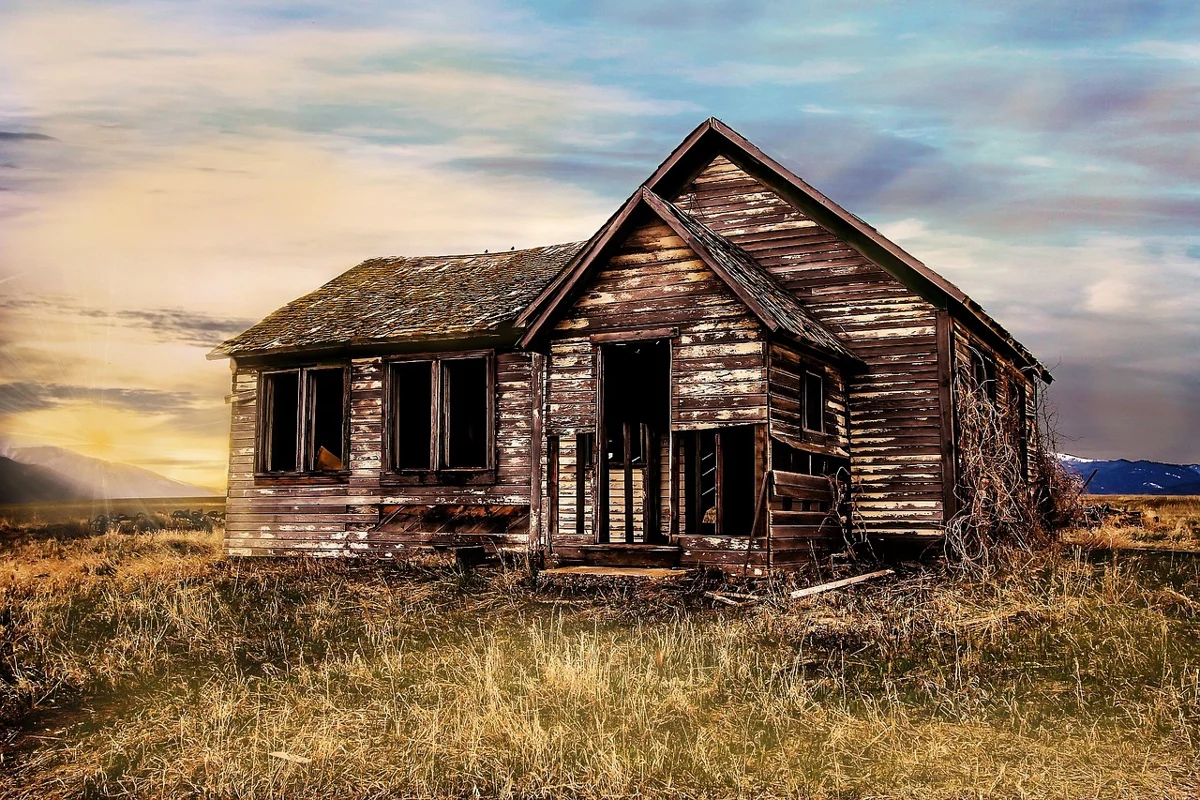
Starting a Homestead on Vacant Land: Your Ultimate Guide

Discover how to turn vacant land into a thriving homestead today!

Land GuideNovember 21, 202535 min read
Starting a Homestead on Vacant Land: Your Ultimate Guide

What Is a Homestead and Why Choose Vacant Land?

Starting a homestead on vacant land is like embarking on a grand adventure. It's about carving out a little piece of the world where you can create, grow, and live on your own terms. But why start with vacant land, you might ask? Well, here's the thing: vacant land is a blank canvas. It offers complete freedom to design your homestead exactly the way you envision.

Why Vacant Land?

Vacant land is often more affordable.

When you buy property that's already developed, you're also paying for the existing structures and improvements, whether you want them or not. With vacant land, you can find cheaper options, especially in rural areas, which means more budget left for customizing your dream homestead.

Flexibility is another major perk.

With vacant land, you can plan everything from scratch. Want to position your house to catch the morning sun? Go for it. Dreaming of a sprawling garden or a cozy orchard? You decide where it goes. This kind of freedom is hard to find with pre-developed properties.

And let's not forget about self-sufficiency. Starting a homestead on vacant land gives you the opportunity to implement off-grid solutions right from the beginning. You can set up solar panels, rainwater collection systems, or composting toilets without having to retrofit existing infrastructure.

The Appeal of Homesteading

Homesteading is more than just a lifestyle choice; it's a movement towards sustainability and independence.

It's about growing your own food, raising livestock, and reducing your reliance on conventional systems. With vacant land, you have the space to experiment and expand as you learn what works best for you.

There's also a deep sense of fulfillment that comes with homesteading.

Imagine walking out your back door to pick fresh tomatoes for your salad or collecting eggs from your own chickens. These are the everyday joys that homesteading on vacant land can bring.

But it's not just about the practical benefits.

Homesteading connects you with nature and the rhythms of the seasons.

It offers a chance to slow down and appreciate the simple things in life—things we often overlook in our fast-paced, tech-driven world.

Finding the Right Land

When you're starting a homestead on vacant land, choosing the right piece of property is crucial. Here are some steps to guide you:

Location Matters: Look for land that's not too far from essential services like hospitals, schools, and markets. While rural living is peaceful, you don't want to be completely isolated unless that's your goal.

Check Zoning Laws: Make sure the land is zoned for agricultural or residential use. This determines what you can legally do on your property.

Consider Accessibility: Easy access to roads is important for bringing in supplies and for emergency situations. Think about how you'll get in and out, especially in inclement weather.

Evaluate the Land's Features: Is it flat, hilly, or wooded? Does it have a water source? These factors will influence what you can grow and build.

Assess Soil Quality: Good soil is essential for gardening and farming. Conduct a soil test to check for nutrients and pH levels.

First Steps to Develop Your Land

Once you've secured your vacant land, here's what comes next:

  • Plan Your Layout: Sketch out where you want everything to go. Consider wind directions, sun paths, and water flow.

  • Build Basic Infrastructure: This might include a driveway, fences, and initial structures like a shed or barn.

  • Set Up Utilities: Decide on power sources (like solar or wind), water systems, and waste management solutions.

Ensuring Water and Soil Suitability

Water is life.

Having a reliable water source is non-negotiable. If your land doesn't have a natural water source, consider digging a well or installing rainwater catchment systems.

Soil health is equally important.

Before planting anything, improve your soil with organic matter like compost or manure. This will boost nutrients and help retain moisture.

Best Practices for Building Infrastructure

When it comes to building on your homestead:

  • Start Small: Begin with essential structures and expand as needed. This keeps costs manageable and allows for adjustments based on experience.

  • Use Sustainable Materials: Wherever possible, opt for eco-friendly materials that reduce your carbon footprint.

  • Think Long-Term: Design buildings and systems with future growth in mind, so you don't have to rebuild later.

Starting Gardening and Raising Livestock

Gardening is the heart of most homesteads.

Start with easy-to-grow vegetables and herbs. As you gain confidence, expand to fruit trees and more challenging crops.

Livestock can be a wonderful addition.

Chickens are a great starting point—they're low maintenance and provide eggs. Once you're comfortable, consider adding goats, pigs, or even a cow.

Off-Grid Solutions for Self-Sufficiency

Embracing off-grid living can significantly enhance your homestead's sustainability. Here are some ideas:

  • Solar and Wind Energy: These renewable sources can power your home and reduce reliance on external utilities.

  • Composting Toilets and Greywater Systems: These not only conserve water but also enrich your soil.

  • Food Preservation Techniques: Canning, dehydrating, and fermenting help you store excess produce for leaner times.

Staying Within Budget While Homesteading

Budgeting is key to successful homesteading.

Start with a detailed plan listing all potential expenses. Prioritize spending on essentials and gradually invest in additional projects.

DIY whenever possible.

Learning new skills not only saves money but also empowers you to handle future challenges independently.

Stay flexible. Expect the unexpected—weather changes, market fluctuations, or personal circumstances can impact your plans. Adaptability is your best friend.


Starting a homestead on vacant land is a journey of growth and discovery. It's about creating a lifestyle that's in harmony with nature and tailored to your dreams. With careful planning and a touch of creativity, the possibilities are endless. Now, let's talk about finding that perfect piece of land...

How Do I Find the Perfect Vacant Land?

Finding the perfect vacant land for starting a homestead can feel a bit like searching for a needle in a haystack. You want the dream spot where you can imagine your future, but the choices can be overwhelming. Let’s break it down and make this journey a bit easier for you.

Understand Your Needs and Goals First things first, get clear on why you want a homestead.

Are you aiming for self-sufficiency, a simpler lifestyle, or maybe a mix of both? Your goals will shape everything—from location to size and features.

  • Lifestyle Vision: Picture your ideal day. Is it filled with gardening, raising livestock, or just enjoying wide-open spaces?
  • Family Needs: Consider how many people will live there. Do they have specific needs like school access or healthcare?
  • Future Expansion: Think about your plans for growth. Will you add more buildings, crops, or animals?

Once you’re clear on what you want, you can start matching your vision with what the land offers.

Research Locations

Location is everything when it comes to homesteading.

You’ll want to balance dreaminess with practicality.

  • Climate: Consider temperature, rainfall, and growing seasons. A place with a harsh winter might limit your farming activities unless you plan accordingly.
  • Proximity to Resources: How close is the nearest town? You’ll need supplies, healthcare, and maybe a bit of social life.
  • Community: Check if there’s a local community of like-minded homesteaders. They can be a great source of support and knowledge.

Each location will have its own pros and cons, so it’s about finding what aligns best with your lifestyle.

Evaluate the Land

Now, it's time to get down to the nitty-gritty of the land itself.

This part is crucial because the land's characteristics will dictate what you can and can’t do.

  • Soil Quality: Test the soil to ensure it’s fertile for your planned crops. You can purchase a soil test kit online or consult a local expert.
  • Water Availability: Water is life. Check for natural water sources like rivers or ponds, or consider drilling a well.
  • Topography: Is the land flat, hilly, or a mix of both? Flat land is easier for farming, but hills can offer protection from winds.
  • Accessibility: Consider how easy it is to access the land, especially in different weather conditions. A great spot isn’t so great if you can’t get to it when it rains.

These factors will help you determine if the land is suitable for your homesteading dream.

Legal Considerations

Before you fall in love with a piece of land, make sure it's legally sound.

Here’s what you need to check:

  • Zoning Laws: Ensure the land is zoned for agricultural use. Some areas have restrictions that could limit your activities.
  • Easements and Rights of Way: Find out if there are any rights of way that allow others to cross your property.
  • Permits and Regulations: Check local building codes and necessary permits for any construction or agricultural activities.
  • Property Boundaries: Confirm the exact boundaries to avoid future disputes with neighbors.

Legal clarity will save you headaches down the road.

Find a Reputable Realtor

A good realtor can be your best ally in this process.

They know the local market and can guide you to the right choices.

  • Experience in Rural Properties: Look for agents who specialize in rural or agricultural properties. They’ll understand your needs better.
  • Local Knowledge: A local agent will know the ins and outs of the area, including unlisted properties that might be perfect for you.

Working with the right professional can streamline your search and help you avoid common pitfalls.

Inspect the Land Thoroughly

Once you’ve narrowed down your choices, visit the land in person.

Pictures can be deceiving, and there’s nothing like standing on the soil to feel if it’s the right fit.

  • Walk the Land: Spend time walking the property. Look for signs of wildlife, potential hazards, and the general feel of the place.
  • Seasonal Changes: If possible, visit during different seasons to see how it changes. This can give you insights into drainage and weather impacts.
  • Talk to Neighbors: They can offer valuable insights into living in the area and any issues you might not be aware of.

This hands-on approach will give you a much clearer picture of what you’re dealing with.

Financial Considerations

Don’t forget to crunch the numbers.

Your dream homestead needs to be financially sustainable.

  • Land Cost: Compare prices with similar properties to ensure you’re getting a fair deal.
  • Development Costs: Consider what you’ll need to spend to get the land ready—clearing, building, and utility installations can add up.
  • Taxes and Fees: Factor in property taxes and any other fees that might apply.

Balancing your budget with your dreams is key to making this venture a success.


Starting a homestead on vacant land is a big adventure, full of opportunities and challenges. But with some careful planning and a little bit of patience, you’ll find the perfect place to build your dream. Ready to dive into the next steps of developing your land? Let’s keep this momentum going!

What Factors Should I Consider When Choosing Land?

Choosing the right piece of land for your homestead is like finding the perfect canvas for a masterpiece. It’s exciting but also a bit daunting because the options are vast, and the stakes are high. Let’s break down what you should really focus on when starting a homestead on vacant land.

Location, Location, Location The location of your land dictates a lot about your future lifestyle. Think about how close you want to be to neighbors, towns, or cities. Do you want the peace and quiet of a rural area, or do you need to be closer to schools and hospitals? Consider the climate, too. If you’re dreaming of growing oranges, a plot in New England might not be your best bet.

  • Proximity to Resources: Make sure essential services and supplies aren't too far. It's all about balance—enough space for privacy, but close enough to civilization for comfort.
  • Community and Zoning Laws: Some areas have tight restrictions on what you can do with your land. Check local zoning laws and community rules. You don’t want surprises after you’ve already fallen in love with a piece of land.

Soil Quality and Water Access Good soil and water are non-negotiable for a thriving homestead. Your land's potential often hinges on these two factors.

  • Soil Testing: Before buying, get a soil test. You can usually get this done through local agricultural extensions. Look for soil rich in nutrients and with good drainage. If you find the land lacks fertility, consider if you're willing to invest in soil amendments.

  • Water Sources: Access to water is crucial. Whether it’s a natural spring, a reliable well, or a nearby stream, ensure you have a sustainable water source. And remember, wells can be expensive to drill, and not all land has a good aquifer underneath.

Quick Tip: Rainwater harvesting is a great backup plan, but check local regulations first.

Size and Topography The size of your plot and its physical characteristics shape what you can do.

  • Size Matters: Consider how much land you actually need. A larger plot allows for more farming and livestock but requires more maintenance. On the flip side, smaller plots can be easier to manage but limit expansion.

  • Topography Concerns: Flat land is easier to farm, but a gentle slope can aid in drainage. Steep hills or rocky terrain might complicate building and farming but can offer stunning views or unique landscaping options.

Climate Considerations The climate will affect everything from what you can grow to how you build. Make sure you’re comfortable with the average temperatures, precipitation levels, and growing seasons.

  • Microclimates: Some properties have unique microclimates that can be a boon or a bane, depending on your plans. For example, a south-facing slope can mean more sunlight and warmth.

Accessibility and Infrastructure Getting to and from your land easily is crucial. Roads, utilities, and internet access may seem mundane, but they’re vital for your quality of life.

  • Road Access: Is the land accessible year-round? Unpaved roads can become impassable in bad weather. Make sure the roads leading to your property are well-maintained.

  • Utilities: Check how you’ll get power, internet, and phone service. Off-grid solutions are fantastic, but they come with costs and maintenance responsibilities.

Legal Considerations Before you buy, dive into the legal aspects.

  • Title Search: Ensure there are no liens or disputes over the land. A title search can save you a lot of headaches.

  • Building Permits: Investigate what’s allowed. Some rural areas have fewer restrictions, but others can surprise you with regulations.

Cost and Investment Budget is always a factor. Land is a significant investment, so weigh the costs carefully.

  • Purchase Price vs. Development Costs: Sometimes cheaper land comes with hidden costs like expensive utility installations or road improvements. Consider the total investment, not just the sticker price.

  • Resale Value: Even if you plan to stay forever, think about the potential resale value. Life changes, and you want to ensure your investment is sound.

Long-term Vision Picture your life five, ten, or twenty years down the road. Your homestead should evolve with you, not hold you back.

  • Future Expansion: Consider if you'll want to expand your home or add new features like a greenhouse or barn.

  • Sustainability Goals: If being self-sufficient is a priority, ensure the land can accommodate solar panels, wind turbines, or other sustainable technologies.


Choosing land is a journey of balancing dreams with practicalities. By considering these factors, you’ll be well on your way to finding the perfect plot for starting a homestead on vacant land. And once you've secured your land, the real adventure begins...

How Do I Legally Acquire and Secure the Land?

Starting a homestead on vacant land can feel like stepping into a world of endless possibilities. But before you can plant your first crop or bring in your livestock, you need to legally acquire and secure your land. Here's the lowdown on how to make that happen.

Understand Zoning Laws and Land Use Before you even think about purchasing land, get familiar with zoning laws. These dictate what you can and can't do with your property. Zoning laws vary widely by location, so check with local government offices or their websites.

  • Residential vs. Agricultural: Make sure the land is zoned for agricultural use if you plan to farm or raise animals.
  • Restrictions: Some areas might have restrictions on building sizes, types of animals you can keep, or even the number of buildings you can construct.

Zoning laws can change, so keep an eye on any updates that might affect your plans.

Conduct a Thorough Title Search A title search is like a history lesson for your land. It reveals any current claims or liens that could affect your ownership. Work with a reputable title company or real estate attorney to ensure the land is free from disputes.

  • Easements and Rights of Way: Watch out for these. They allow others to use parts of your land, which might not align with your homesteading vision.
  • Encumbrances: These are claims against the property by parties other than the owner. Make sure these are resolved before purchase.

Secure Financing for Your Land Purchase Buying land isn't quite like buying a house. Traditional mortgages might not cover vacant land. You might need to explore alternative financing options.

  • Land Loans: Some banks offer these, but they often come with higher interest rates and larger down payment requirements.
  • Owner Financing: In this arrangement, the seller acts as the lender. It can be more flexible but often comes with its own risks.

Research and compare different financing options to find what works best for your situation.

Make an Offer and Negotiate Once you've found your dream plot, it's time to make an offer. This is a crucial step where you'll want to be strategic and informed.

  • Comparable Sales: Look at recent sales of similar properties in the area to guide your offer.
  • Inspection Contingency: Include this in your offer to allow time for a professional land inspection. It can reveal issues like soil contamination or flooding risks.

Close the Deal with Confidence Closing on land involves a few more steps than just signing on the dotted line. Here's what you need to do to wrap up the purchase.

  1. Review Closing Documents: Ensure everything aligns with your agreement.
  2. Transfer of Funds: Be prepared for this to be a wire transfer or cashier's check.
  3. Record the Deed: This step officially makes you the owner. Your title company or attorney should handle this.

Secure Your Land: Fencing and Boundaries Once the land is yours, the next step is making sure it's secure. This isn't just about keeping unwanted visitors out—it's about defining your space.

  • Survey the Land: Hire a professional to mark your property lines if it's not clear.
  • Install Fencing: Choose a fence that suits your needs—whether it's for privacy, security, or keeping animals in.

Fencing can be a significant investment, so plan according to your budget and needs.

Consider Long-Term Land Management Owning land is a long-term commitment. Think about how you'll manage it over time to maintain its value and health.

  • Erosion Control: Use techniques like terracing or planting cover crops to prevent soil loss.
  • Sustainable Practices: Consider permaculture or organic farming to enhance biodiversity and soil health.

Stay Informed and Connected Being a landowner comes with ongoing responsibilities and opportunities. Stay engaged with your community and keep learning.

  • Join Local Groups: Connect with other homesteaders or farmers. They can offer invaluable advice and support.
  • Attend Workshops: Many communities offer workshops on sustainable farming, land management, and more.

Starting a homestead on vacant land is a journey—one that begins with legally securing your land. By following these steps, you set a strong foundation for whatever dreams you want to cultivate. And remember, this is just the beginning. Once your land is secure, it’s time to think about the exciting next steps, like developing your property and ensuring it’s ready for planting and growth.

What Are the First Steps to Develop the Land?

Starting a homestead on vacant land is like embarking on a grand adventure. It’s a blend of excitement, potential, and a bit of the unknown. You’re creating something from scratch, and that can be incredibly rewarding. But where do you begin? Let’s break it down into manageable steps.

Understand the Land Before you dig, know your dirt.

This might sound obvious, but the first step is to really understand the land you’re dealing with. Is it flat, sloped, rocky? Each characteristic can affect how you proceed with development.

  • Topography Matters: A flat piece of land is generally easier to work with when setting up structures or planting. But sometimes, a slope can offer unique advantages, like natural drainage.
  • Soil Type: You’ll want to know if the soil is sandy, clay-like, or loamy. A soil test can help you figure out what amendments might be necessary for farming or gardening.
  • Climate Considerations: Think about the climate zone your land is in. This affects what crops you can grow and what type of livestock will thrive. A bit of local knowledge or a chat with nearby homesteaders can go a long way.

Here’s why this matters: Understanding these elements will guide your planning and help you avoid costly mistakes later on.

Plan Your Layout

Sketch out your dreams.

It’s time to get creative with how you want your homestead to look and function. This is where you put your vision on paper.

  • Prioritize Needs: Start with what’s essential. Housing, water access, and areas for growing food come first.
  • Future-Proofing: Think about expansion. Are you planning for a family? Want to add more animals later? Leave room for these possibilities.
  • Access Points: Consider the best spots for driveways or paths. You’ll need easy access for vehicles and equipment, especially during construction.

But there’s a catch: Your layout needs to be flexible. As you start developing, you might need to adjust based on what the land tells you.

Legal and Permitting Process

Navigating red tape with confidence.

Before you break ground, make sure you’re in the clear legally.

  • Zoning Laws: Check local zoning to ensure your intended use of the land fits. Some areas have restrictions on livestock or certain types of buildings.
  • Permits Required: Building permits are a must for any structures, including houses or barns. Don’t forget about septic or well permits if needed.
  • Property Line Clarity: Make sure you have a clear survey of your land to avoid disputes with neighbors.

Takeaway: Properly dealing with legalities upfront can save you headaches and fines down the road.

Develop Basic Infrastructure

Setting the stage for homesteading success.

Now that you’ve got the green light, it’s time to lay down the essentials.

  • Access Roads: Even a simple gravel path can make a world of difference for moving materials and accessing your land.
  • Utilities Setup: If you’re going off-grid, you’ll need to consider solar panels or wind turbines for power. Otherwise, connect to existing utilities if nearby.
  • Water Systems: Think about drilling a well or setting up rainwater collection. This is crucial for both personal use and farming.

Here’s what I mean: Infrastructure is the backbone of your homestead. It supports everything else you plan to do.

Building Your Shelter

Creating a home, sweet home.

Whether it’s a cabin, a tiny house, or a larger family home, your shelter is your primary refuge.

  • Material Choices: Consider local materials that are sustainable and affordable. They might also blend better with the environment.
  • DIY vs. Professional Help: Decide what you can realistically do yourself and when you need to call in the experts. Building codes might dictate this choice for you.
  • Energy Efficiency: Incorporate designs that maximize natural light and minimize energy use. This can be as simple as south-facing windows or as complex as geothermal heating.

Think about it this way: Your shelter is more than just a building; it’s the heart of your homestead.

Establishing Food Sources

Cultivate a sustainable lifestyle.

Growing your own food is a key aspect of homesteading.

  • Garden Planning: Start with easy-to-grow crops that you can expand on as you gain experience. Tomatoes, lettuce, and beans are great starters.
  • Livestock Options: Chickens are often the first choice for new homesteaders because they’re relatively easy to manage and provide eggs. Consider what other animals might fit your lifestyle.
  • Preservation Techniques: Learn about canning, drying, and freezing. These skills will help you make the most of your harvest.

But remember: Starting small is okay. It’s more manageable and allows you to learn as you grow.

Community and Support

You’re not alone on this journey.

Building connections can be invaluable.

  • Local Networks: Join local homesteading or farming groups. They’re a great source of advice and camaraderie.
  • Online Forums: There are countless online communities where you can share experiences and ask for help.
  • Workshops and Events: Attend workshops on topics like permaculture or sustainable building. They’re not only educational but also a chance to meet like-minded folks.

Memorable takeaway: A supportive community can make the difference between thriving and just surviving.

Final Thoughts

Embarking on the journey of starting a homestead on vacant land is no small feat, but it’s an adventure filled with learning, growth, and satisfaction. By taking these first steps thoughtfully, you’re setting yourself up for success. And remember, this is just the beginning. Homesteading is a continuous process of adaptation and discovery.

How Can I Ensure Water and Soil Suitability?

Taking the plunge into homesteading on vacant land can feel like a massive leap. You're not just buying property; you're investing in a dream. But before you can start building that dream, you need to ensure your land can support it, especially when it comes to water and soil suitability.

Understanding Your Water Needs Water is life, quite literally, for any homestead.

You need to think about how much water your property can provide and if it's enough for your needs. Here's what you need to consider:

  • Water Sources: Look for natural water sources like springs, rivers, or ponds. If these aren't available, consider drilling a well. Test the water quality for contaminants.
  • Water Rights: Just because there's water doesn't mean you can use it. Check local laws about water rights to ensure you can legally access and use the water.
  • Water Storage: Rainwater harvesting can be a great backup. Set up tanks or barrels to collect rainwater, especially during wetter seasons.

Without reliable water, even the best land can become a challenge. Next, let’s talk about soil.

Assessing Soil Quality

The soil will be the backbone of your homestead, especially if you plan to grow food.

Testing the soil before buying the land can save you a lot of trouble later. Here's how to ensure you're starting on the right foot:

  • Soil Testing: Get a basic soil test kit or hire a professional to check pH levels, nutrients, and contaminants. This will give you a snapshot of what you're working with.
  • Soil Types: Sandy, clay, silt, or loam—each has its pros and cons. Ideally, you'll want loam, which retains moisture but drains well.
  • Amendments: If the soil isn't perfect, don’t panic. Compost, manure, and organic matter can improve soil quality over time.

Think of soil as the foundation for everything you'll grow. Good soil means healthy plants and, ultimately, a thriving homestead.

Addressing Drainage and Erosion

Poor drainage can turn your homestead into a swamp, while erosion can strip away precious topsoil.

Here’s how to tackle these potential problems:

  • Topography: Walk the land during or after a rainstorm to see how water moves. High spots might be dry, while low spots could be waterlogged.
  • Natural Barriers: Use trees, shrubs, and grasses to reduce erosion. Planting along contours can also help slow water flow.
  • Drainage Solutions: If certain areas are prone to flooding, consider installing French drains or swales to redirect water.

By managing water wisely, you can prevent damage and make the most of every drop.

Evaluating Climate and Microclimates

The climate of your homestead will dictate what you can grow and how you should plan.

But within your homestead, microclimates can offer unique opportunities:

  • Temperature and Precipitation: Know your USDA hardiness zone. It’ll guide you on what plants can thrive.
  • Microclimates: Observe areas that get full sun, shade, or are protected from wind. Use these zones strategically for different plants.
  • Frost Dates: Knowing your last frost date in spring and first in fall will help you plan your planting schedule.

Adapting to climate nuances can turn challenges into advantages, especially with strategic planning.

Exploring Permaculture Principles

Permaculture is about working with nature rather than against it.

Applying these principles can enhance your water and soil management:

  • Zones and Sectors: Organize your homestead by zones (from most to least used) and consider natural elements like wind and water flow.
  • Companion Planting: Some plants help others grow by repelling pests or adding nutrients to the soil.
  • Water Harvesting: Use swales and ponds to collect and store water, integrating them into your homestead’s design.

Permaculture offers sustainable solutions that can revolutionize how you manage your land.

Seeking Expert Advice

Sometimes, getting a professional opinion can save time and money.

Here's when to consider calling in the experts:

  • Consultants: Hire an agricultural or environmental consultant for a thorough assessment of the land.
  • Workshops and Courses: Take a permaculture or soil management course to deepen your knowledge.
  • Community Resources: Engage with local homesteading groups or forums. They can be a goldmine of information and support.

Expert insights can bridge the gap between theory and practice, ensuring you're making informed decisions.

Creating a Long-Term Plan

A successful homestead isn’t built overnight, and a long-term vision can guide your daily actions.

Here’s how to craft a plan:

  • Goals and Priorities: Define what you want to achieve. Is it a self-sufficient food source, a peaceful retreat, or something else?
  • Phased Development: Tackle projects in phases—start with essentials like water access and soil improvement before moving to less critical endeavors.
  • Budgeting: Be realistic about costs. Prioritize investments that will yield long-term benefits, like quality soil amendments or water systems.

By setting clear goals and taking it step-by-step, you’ll build a homestead that thrives for years to come.


Starting a homestead on vacant land is a venture filled with possibilities. By ensuring your water and soil are up to the task, you're laying a strong foundation for everything else. Next up? Building the infrastructure that turns your land into a living, breathing homestead.

What Are the Best Practices for Building Infrastructure?

Starting a homestead on vacant land is like embarking on a grand adventure. It's about creating something from nothing, building a life that’s uniquely yours. There’s a lot to consider, though, especially when it comes to infrastructure. Here’s how to get started.

Understanding Your Infrastructure Needs Before you break ground, you need a plan.

Think about what your homestead will need to function smoothly. Here’s what to consider:

  • Shelter: What kind of home will you build? A tiny cabin, a more substantial house, or maybe something off-grid like a yurt or a straw bale house?
  • Utilities: Will you connect to local utilities, or go self-sufficient with solar panels and a well?
  • Road Access: How will you get to and from your property, especially in bad weather?
  • Storage: You’ll need places to keep tools, equipment, and supplies.

Every homestead is unique, so tailor these to your vision. Next, let’s talk about the groundwork.

Laying the Foundation

Getting the basics right sets you up for success.

This isn’t just about physical foundations but also legal and financial ones.

  • Soil Testing: Ensure the land is suitable for building and agriculture. Poor soil can limit crop options.
  • Permits and Zoning: Check local regulations. Some areas have strict zoning laws that can impact what you can build and how you can use the land.
  • Budgeting: Infrastructure can be costly. Plan your budget carefully, prioritizing essential projects first.

These steps are crucial to avoid costly mistakes down the road. Now, let’s dive into water and power solutions.

Water and Power: The Lifeblood of Your Homestead

Water and energy are non-negotiable.

They’re the pulse of your homestead. Here’s how to secure them:

  • Water Sources: If there’s no municipal supply, consider digging a well or setting up rainwater collection. Make sure any source is reliable and clean.
  • Power Options: Solar and wind power can be great off-grid solutions. They reduce reliance on external sources and can be more sustainable.
  • Back-up Systems: Have contingencies in place—like generators or water storage tanks—for emergencies.

Think of these systems as your lifeline. When they’re set up right, they make everything else easier.

Building Your Shelter

Your home is your sanctuary.

How you build it affects everything from comfort to cost.

  • Material Choices: Consider local materials to save on costs and support sustainability. Log cabins are great for forested areas, while adobe might suit drier climates.
  • Design for Efficiency: Incorporate passive solar design or natural insulation to cut down on heating and cooling needs.
  • DIY or Hire Help: Your skills, time, and budget will dictate whether you build yourself or hire professionals.

Building your home is a major milestone, and doing it right pays off in comfort and efficiency. Next, let’s talk about access and mobility on your land.

Creating Access

Getting in and out easily is vital.

Roads and paths connect everything together.

  • Driveway Design: Plan for all weather conditions. Gravel is a popular choice for durability and drainage.
  • Pathways and Trails: These make it easy to move around your land. Consider how you’ll transport materials or harvests.
  • Fencing: This can define boundaries and protect against wildlife. Choose materials that suit your environment and needs.

Good access makes daily life smoother and more enjoyable. Now, let’s think about storage solutions.

Smart Storage Solutions

Storage keeps your homestead organized and efficient.

It’s where tools, supplies, and harvests live.

  • Tool Sheds: Keep them near work areas for convenience. Consider size and security.
  • Barns and Outbuildings: Ideal for larger equipment, animals, or workshops. They should be robust and versatile.
  • Root Cellars: Perfect for food storage, they maintain a stable temperature year-round.

Effective storage systems reduce clutter and stress, giving you more time to enjoy homestead life. Next up, integrating technology.

Incorporating Technology

Tech can enhance your homestead.

It’s not just about going off-grid but making smart choices.

  • Smart Home Features: Even off-grid homes can use smart thermostats or security cameras powered by solar.
  • Farm Tech: Automated irrigation systems or weather stations can optimize gardening and farming.
  • Connectivity: Satellite internet or mobile hotspots keep you connected, essential for both emergencies and entertainment.

Technology is a tool—use it to make life easier, not more complicated. Finally, let’s discuss sustainability practices.

Embracing Sustainable Practices

Sustainability is key for long-term success.

It’s about creating a balanced ecosystem.

  • Permaculture Principles: Design your homestead to mimic natural ecosystems, enhancing productivity and resilience.
  • Recycling and Composting: Turn waste into resources. Composting improves soil health and reduces waste.
  • Water Conservation: Efficient systems like drip irrigation save water and improve plant health.

Sustainability isn’t just good for the planet; it’s smart for your wallet too. And that brings us to a crucial part of homesteading—keeping it all within budget.

--- Building a homestead on vacant land is a journey of discovery and creation. By focusing on infrastructure, you lay the groundwork for a self-sufficient, fulfilling lifestyle. It’s about making thoughtful decisions now to enjoy the fruits of your labor for years to come. Ready to dive into the world of gardening and livestock next? Let’s explore how to bring your land to life.

How Do I Start Gardening and Raising Livestock?

Starting a homestead on vacant land is like opening a new chapter in a book filled with endless possibilities. You're not just growing vegetables or raising chickens; you're building a life that's rooted in self-sufficiency and sustainability. Here's how you can begin this rewarding journey.

Understanding Your Land

Before you plant the first seed, truly know your land.

This means understanding the soil, the climate, and the lay of the land. Is the soil sandy or clay-heavy? Does it drain well? Knowing these details can save you a lot of headaches later.

  • Soil Tests: Get a soil test kit from your local extension office. These kits tell you the pH level, which nutrients are lacking, and what you need to do to improve it.
  • Climate Considerations: Check the USDA Plant Hardiness Zone for your area. This tells you what plants are most likely to thrive.
  • Natural Features: Look at the natural drainage and any existing trees or vegetation that might affect your plans.

Once you grasp these basics, you’re ready to decide what to grow.

Planning Your Garden Start small and expand as you learn.

It's tempting to plant a bit of everything, but focusing on a few crops at first helps you learn the ropes without being overwhelmed.

  • Beginner-Friendly Crops: Consider starting with hardy plants like potatoes, beans, or carrots. They’re forgiving and provide a good yield.
  • Companion Planting: This method pairs plants that support each other's growth. For example, plant basil with tomatoes to enhance flavor and repel pests.
  • Seasonal Planning: Plan for both warm and cool-season crops to maximize your garden’s output.

Having a clear plan will make your gardening efforts more fruitful and less frustrating.

Raising Livestock Choosing the right animals is key to your homestead’s success.

Different animals require different resources, so start with the ones that best fit your land and lifestyle.

  • Chickens: These are often the gateway animal for new homesteaders. They’re easy to care for and provide eggs and meat.
  • Goats: Great for milk and clearing brush, goats are low-maintenance but do require good fencing.
  • Bees: If you have flowering plants or trees, bees can be a fantastic addition. They help with pollination and give you honey.

Each animal has specific needs, so research and prepare their living spaces carefully.

Building Infrastructure Create structures that support your gardening and livestock efforts.

This includes everything from fencing to shelters and tool storage.

  • Fencing: Essential for keeping livestock in and predators out. Choose sturdy materials and make sure it’s tall enough to deter jumping animals.
  • Coops and Barns: Build these with good ventilation and easy access for cleaning. Consider space for food storage and protection from the elements.
  • Water Systems: Install rain barrels or build a pond to supply water to your garden and animals.

These structures form the backbone of your homestead, so invest in quality and durability.

Water and Soil Management Ensuring water availability and soil health is crucial.

Without these, your garden won't thrive, and your livestock will suffer.

  • Irrigation Systems: Drip systems are efficient and conserve water. They deliver moisture directly to the plant roots.
  • Composting: Turn kitchen scraps and yard waste into nutrient-rich compost. It’s like giving your soil a multivitamin.
  • Mulching: Helps retain moisture and suppress weeds. Use organic materials like straw or wood chips.

Proper management here can significantly boost your productivity and sustainability.

Navigating Legalities Don’t overlook the legal aspects of homesteading.

Each area has different regulations, so make sure you’re compliant.

  • Zoning Laws: Check if you’re allowed to raise livestock or build certain structures.
  • Permits: You might need permits for water usage, especially if you’re installing extensive irrigation.
  • Animal Regulations: Some areas have limits on the number or type of animals you can keep.

Being proactive about these issues prevents future complications.

Off-Grid Solutions Consider off-grid options to enhance self-sufficiency.

This could mean generating your own power or finding alternative water sources.

  • Solar Panels: A great way to harness renewable energy. They can power electric fences, water pumps, and more.
  • Wind Turbines: If your area is windy, this is another solid option.
  • Rainwater Harvesting: Collect and store rainwater for irrigation and livestock.

These solutions not only reduce your carbon footprint but also cut down on utility costs.

Staying Within Budget Homesteading can be expensive, but it doesn't have to break the bank.

Smart planning and resourcefulness are your allies here.

  • DIY Projects: Build your own structures when possible. There are countless guides online for everything from coops to greenhouses.
  • Buy Used: Look for used tools and equipment. They’re often just as good as new but significantly cheaper.
  • Barter and Trade: Swap goods or services with neighbors. It builds community and saves money.

By being mindful of costs and using resources wisely, you can create a thriving homestead without financial stress.


Starting a homestead on vacant land is not just about growing food or raising animals. It's about crafting a lifestyle that aligns with your values and goals. Every step you take brings you closer to a life of independence and sustainability. So, dig in and enjoy the journey. You're building something beautiful, one seed and one step at a time.

What Off-Grid Solutions Can Improve Self-Sufficiency?

Starting a homestead on vacant land is a journey towards self-sufficiency that can be both thrilling and daunting. But here’s the thing: going off-grid doesn't mean you’re on your own. With the right off-grid solutions, you can create a sustainable, efficient, and comfortable homestead. Let's dive into some key aspects that can help guide you through this journey.

Solar Power: Harnessing the Sun Solar energy is a game-changer for off-grid living. It’s renewable, abundant, and can drastically reduce your electricity bills. Think of solar panels as your personal power plant. They convert sunlight into electricity, which can be stored in batteries for use at night or on cloudy days. Here’s a quick breakdown of how to get started:

  1. Assess Your Energy Needs: Calculate your daily energy consumption in kilowatt-hours (kWh). This helps determine the size of the solar system you need.

  2. Choose the Right Equipment: Invest in high-quality solar panels, an inverter, and batteries. Brands like SunPower and LG offer reliable options.

  3. Installation: You can go DIY if you’re handy, but hiring a professional can ensure optimal placement and wiring.

  4. Maintenance: Keep the panels clean and check connections regularly to maintain efficiency.

Solar power is not just environmentally friendly; it’s a practical step toward energy independence.

Water Collection and Management Water is life, especially on a homestead. Collecting and managing water efficiently is crucial. Here’s how you can achieve that:

  • Rainwater Harvesting: Set up a system to collect rainwater from your roof and store it in large tanks. This water can be used for irrigation, livestock, or even filtered for household use.

  • Well Installation: If your land has access to groundwater, drilling a well is a solid investment. Wells provide a reliable water source but require permits and professional drilling.

  • Greywater Systems: Reuse water from sinks, showers, and washing machines for irrigation. This reduces waste and conserves freshwater.

These water solutions not only ensure you have enough for daily needs but also protect you from droughts and water shortages.

Sustainable Heating Solutions Keeping warm without relying on fossil fuels is possible. Here are a few sustainable heating options:

  • Wood Stoves: A classic choice for homesteaders. They’re efficient, and wood is often readily available. Plus, nothing beats the cozy warmth of a wood fire.

  • Passive Solar Design: Build or modify your home to take advantage of the sun’s natural warmth. Large south-facing windows and thermal mass materials like stone or concrete can help maintain heat.

  • Geothermal Heating: Although initial costs are high, geothermal systems provide efficient heating and cooling by utilizing the earth’s constant underground temperature.

These heating methods help reduce reliance on external energy sources, keeping your homestead warm and cozy.

Waste Management and Composting Managing waste sustainably is a cornerstone of off-grid living. Here’s how you can do it:

  • Composting Toilets: These toilets break down waste into compost, reducing water usage and creating nutrient-rich soil for gardening.

  • Recycling and Upcycling: Set up a system to sort and recycle waste materials. Consider upcycling items like glass jars or wooden pallets into useful homestead tools or décor.

  • Animal Waste Management: Use livestock manure as fertilizer for crops, creating a closed-loop system that benefits your garden.

Effective waste management not only minimizes environmental impact but also turns waste into valuable resources.

Communication and Connectivity Staying connected while off-grid is crucial for safety and convenience. Here’s how:

  • Satellite Internet: Providers like Viasat or HughesNet offer reliable connectivity even in remote areas, allowing you to work online or stay in touch with loved ones.

  • Two-Way Radios: Useful for communication on larger properties or with neighbors, especially when cell service is spotty.

  • Emergency Communication Devices: Devices like SPOT or Garmin inReach offer GPS tracking and messaging capabilities, crucial for emergencies.

These solutions keep you connected to the outside world, providing peace of mind and access to information.

Gardening and Food Production Growing your own food is a rewarding step toward self-sufficiency. Here’s how to start:

  • Select Crops Wisely: Choose crops suited to your climate. Hardy vegetables like potatoes, carrots, and kale are great for beginners.

  • Use Companion Planting: This method involves planting beneficial plants together, such as tomatoes with basil, to improve growth and yield.

  • Greenhouses: Extend your growing season with a greenhouse, allowing you to grow a variety of produce year-round.

Producing your own food not only cuts costs but also ensures you know exactly what’s going into your meals.


By implementing these off-grid solutions, you’ll enhance your homestead's self-sufficiency and resilience. Each step you take is a move towards independence and sustainability. Next, let’s explore how to stay within budget while bringing your off-grid dreams to life.

How Can I Stay Within Budget While Homesteading?

Starting a homestead on vacant land can feel like a daunting adventure, especially when you're trying to keep costs down. But here's the good news: with a bit of planning and creativity, it's totally doable. Let's break it down.

Plan Your Budget Before You Break Ground Before you even set foot on your chosen plot, nail down a detailed budget. This means accounting for everything from land purchase to the first crop of vegetables. Start by listing out every potential expense you can think of—land costs, permits, building materials, seeds, tools, and maybe even unexpected repairs.

  • Land Purchase: Research the cost of vacant land in your desired area. Prices vary drastically based on location and amenities.
  • Permits and Legal Fees: These can add up quickly, so check local regulations.
  • Initial Infrastructure: Think about basic structures like a simple shelter or storage space.

The key is to overestimate rather than underestimate. You don't want to be caught off-guard by unexpected expenses.

Find Affordable, Suitable Land Choosing the right piece of land is crucial to staying within budget. Look for land that's affordable but also meets your needs. Here’s how:

  • Location: Opt for areas that are less developed or further from city centers. These tend to be cheaper.
  • Size and Terrain: Consider smaller plots if you're just starting out. Also, examine the land's topography—flat land is typically easier (and cheaper) to develop.
  • Access to Resources: Check for access to water sources and decent soil quality. This can save you money on irrigation and soil amendments later.

Explore online real estate platforms and local listings, and don’t hesitate to negotiate the price. Sometimes, owners are willing to lower the price for a quick sale.

DIY as Much as Possible Roll up your sleeves and prepare to do some of the work yourself. Labor costs can eat up a huge portion of your budget, so the more you can do yourself, the better.

  • Building Shelters and Fencing: Simple structures like sheds or chicken coops can often be built with basic skills and tools.
  • Gardening: Start with a small vegetable garden. Learn to compost and use natural fertilizers to cut down costs.
  • Maintenance: Basic maintenance tasks, like repairing fences or clearing paths, can be learned through online tutorials.

Remember, YouTube and DIY blogs are your friends. There’s a wealth of free information out there that can guide you through countless tasks.

Prioritize Sustainable Practices Sustainability isn’t just good for the planet—it’s good for your wallet too. Implementing sustainable practices can significantly reduce ongoing costs.

  • Rainwater Harvesting: Install systems to collect rainwater for irrigation. It’s a one-time investment that pays off over time.
  • Renewable Energy: Consider solar panels or wind turbines for energy needs. Initial costs might be high, but they reduce energy bills in the long run.
  • Crop Rotation and Companion Planting: These techniques maintain soil health and reduce the need for chemical fertilizers and pesticides.

Look into government incentives and grants for sustainable practices. Many places offer financial support for green initiatives.

Start Small and Expand Gradually Resist the urge to do everything at once. It's easy to want to dive in headfirst, but starting small allows you to manage your budget better and learn as you go.

  • Begin with a Starter Garden: Focus on a few crops that are easy to grow and sell well. Tomatoes, lettuce, and herbs are good options.
  • Build Basic Structures First: Prioritize essentials like a shelter and storage. You can add more as your needs grow.
  • Expand Livestock Slowly: Start with chickens or goats before moving on to larger animals.

Growing your homestead gradually allows you to better understand the land and tweak your approach before making bigger investments.

Network with Other Homesteaders There’s a wealth of knowledge and resources in the homesteading community. Building relationships with other homesteaders can provide support and offer money-saving opportunities.

  • Skill Swaps: Trade skills with others. Maybe you’re great at carpentry, and someone else can help with electrical work.
  • Bulk Buying: Join forces to buy supplies in bulk, reducing costs for everyone.
  • Shared Equipment: Some communities share equipment like tractors or tillers, saving everyone from having to buy their own.

Attend local meetups or join online forums to connect with like-minded individuals. The support and advice you get can be invaluable.

Monitor and Adjust Your Budget Regularly Your budget should be a living document. As you progress, keep track of expenses and adjust as necessary.

  • Monthly Reviews: Set aside time each month to review spending and income.
  • Cost-Saving Adjustments: Identify areas where you can cut costs or need to allocate more funds.
  • Long-term Planning: As your homestead grows, so will your financial needs. Plan for expansions or new projects well ahead of time.

Staying flexible with your budget allows you to adapt to challenges and seize new opportunities without financial stress.

Homesteading is a journey, not a sprint. By planning carefully, staying flexible, and tapping into community resources, you can create a fulfilling and financially sustainable homestead. And remember, every small step you take is a move towards greater self-sufficiency and a more rewarding lifestyle.

Frequently Asked Questions

Q: How do I choose the right piece of land for my homestead? A: Select land based on critical factors such as size, topography, soil quality, access to water, and legal restrictions. Ensure the land offers enough space and the right type of terrain for your planned activities, whether that's gardening, livestock, or renewable energy projects[5]. Assess soil fertility and drainage, check for existing or potential water sources, and verify if local regulations allow your intended uses[1][2][5].

Q: What water and utility resources are essential to consider? A: Reliable water access is crucial; investigate whether the property has a well, natural water sources, or will require alternatives like cisterns[1][4][5]. Also review the availability and cost of electricity, gas, internet, and waste management. Existing infrastructure can significantly lower start-up costs and complexity; the absence of utilities will require a higher initial investment and careful planning[5].

Q: How much does it cost to start and maintain a homestead on vacant land? A: Starting a small homestead often requires a minimum of $250,000, which includes the cost of land, housing, equipment, and initial setup[4]. Expect ongoing annual costs of around $20,000 for property taxes, healthcare, utilities, feed, repairs, and supplies. Budget for fencing, structures, seeds, soil amendments, and the potential need to upgrade utilities or infrastructure[2][4][6].

Q: What legal or zoning issues should I check before purchasing vacant land for a homestead? A: Investigate zoning laws, land use restrictions, and permitting requirements to ensure your plans for housing, animals, and business activities are allowed[5]. Some municipalities may limit the types of structures or animals permitted or require adherence to specific building codes[5]. Contact your local planning department for precise information and to avoid future legal complications[3][5].

Q: How do I finance the purchase of vacant land for homesteading? A: Financing vacant land can be more challenging than financing property with existing structures, as banks are generally more cautious with land-only loans[1]. Construction loans, which require plans to build immediately, are often easier to obtain than standard land loans. Consulting with local banks or mortgage brokers, and potentially using an agent experienced with rural land, can increase your chances of securing financing[1].

Resources & Citations

Next steps for Starting a Homestead on Vacant Land: Your Ultimate Guide

Pair what you learned with live inventory, concierge support, and flexible owner financing.