Table of Contents
Ever wanted to go camping without sleeping on the ground?
That's yurt camping.
It's the perfect middle ground between roughing it in a tent and splurging on a cabin.
And it's exploding in popularity.
In fact, Oregon became the first state to add yurts to its parks system back in 1993.
Today?
At least 17 states offer yurt camping in their state parks.
Here's everything you need to know about this unique outdoor experience.
What Is Yurt Camping? The 30-Second Answer
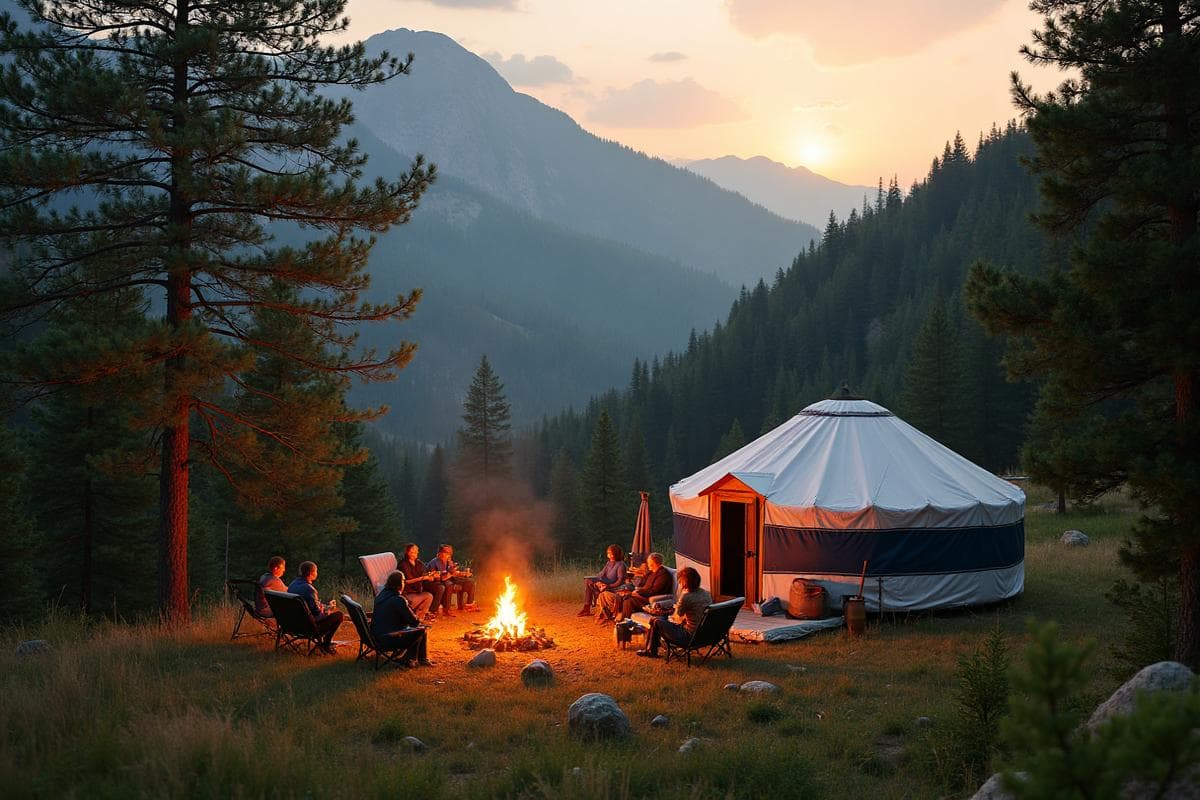
Yurt camping is staying overnight in a yurt—a circular, tent-like structure with a wooden frame and fabric walls.
That's it.
But here's what makes it special:
You get the "camping feel" without the hassle.
No setting up tents.
No sleeping on rocks.
No waking up in a puddle because your rainfly failed.
Instead, you show up to a fully-assembled structure with:
- Beds (real beds, with mattresses)
- Electricity (in most cases)
- A locking door (goodbye, bear anxiety)
- Skylights (hello, stargazing from bed)
The best part?
Yurts keep you connected to nature.
The canvas walls let you hear the rain, wind, and wildlife.
You're still "outside."
Just... more comfortable.
Pro Tip: Yurt camping is technically "glamping" (glamorous camping). But unlike fancy glamping resorts, yurts at state parks are surprisingly affordable—often $50-80 per night.
Yurt vs. Tent vs. Cabin: The Complete Comparison
Not sure if yurt camping is right for you?
Let's compare your options:
| Feature | Tent | Yurt | Cabin |
|---|---|---|---|
| Nightly Cost | $20-40 | $50-150 | $100-300+ |
| Setup Required | 30-60 min | None | None |
| Beds Provided | No | Yes | Yes |
| Electricity | No | Usually | Yes |
| Heating/AC | No | Sometimes | Yes |
| Weather Protection | Low | High | High |
| "Camping Feel" | High | Medium-High | Low |
| Privacy | Low | Medium | High |
| Availability | High | Limited | Limited |
Here's my take:
Choose a tent if: You want the cheapest option and don't mind the work.
Choose a yurt if: You want comfort AND the outdoor experience.
Choose a cabin if: You need full amenities and privacy.
For families with kids?
Yurts are often the sweet spot.
You get beds (no wrestling air mattresses), protection from weather, and that adventure vibe kids love.
The History of Yurts: From Mongolia to Your Next Vacation
Yurts aren't some modern glamping invention.
They're ancient.
Nomadic tribes in Central Asia have used yurts for over 3,000 years.
Why?
Because they're genius engineering:
- Portable — Can be assembled in 30 minutes to 3 hours
- Weather-resistant — Withstands extreme heat, cold, and wind
- Efficient — Circular design uses minimal materials for maximum space
In Mongolia, they're called "ger" (pronounced "gair").
And millions of people still live in them year-round.
The modern camping yurt is an American adaptation.
It uses the same basic design but swaps traditional felt for durable canvas and adds features like:
- Windows with screens
- Locking doors
- Electrical hookups
- Wooden platforms
Pacific Yurts (founded in 1978) was the first company to manufacture yurts using architectural fabrics.
That paved the way for yurts in campgrounds, ski resorts, and state parks across the country.
Pro Tip: Traditional Mongolian yurts use felt made from sheep's wool for insulation. Modern camping yurts use canvas, which is lighter but may need additional insulation for winter camping.
What to Expect Inside a Modern Camping Yurt
Walking into a yurt for the first time?
Here's what you'll typically find:
Standard amenities (almost always included):
- Bunk beds or futon-style beds
- Table and chairs
- Electricity (outlets and lighting)
- Locking door
- Screened windows
- Skylight or dome at the top
Sometimes included:
- Wood stove or propane heater
- Mini fridge
- Microwave
- Outdoor grill
- Fire pit
Rarely included:
- Running water inside the yurt
- Private bathroom
- Full kitchen
- Air conditioning
Here's the important thing:
Every yurt is different.
State park yurts tend to be more basic.
Private glamping resorts?
Some have king beds, hot tubs, and full kitchens.
| Yurt Type | Typical Amenities | Price Range |
|---|---|---|
| State Park | Beds, electricity, table, fire pit | $50-80/night |
| Forest Service | Basic beds, no electricity, fire pit | $40-70/night |
| Private Basic | Beds, electricity, small kitchen | $80-150/night |
| Luxury Glamping | King bed, bathroom, full kitchen, AC | $200-500+/night |
Before you book, always call ahead or check the listing carefully.
Ask about:
- Bed sizes and quantity
- Whether linens are provided
- Bathroom access (in yurt or communal?)
- Cooking options
- Heating/cooling
Pro Tip: Most yurts don't provide bedding. Bring your own sleeping bags, sheets, and pillows—or you'll be sleeping on bare vinyl mattresses.
How Much Does Yurt Camping Cost?
Let's talk money.
Yurt camping is more expensive than tent camping.
But way cheaper than most vacation rentals.
Average costs in 2026:
| Location Type | Average Nightly Rate | Notes |
|---|---|---|
| State Parks | $50-80 | Best value, book early |
| National Forests | $40-70 | More rustic, fewer amenities |
| Private Campgrounds | $80-150 | Better amenities, easier booking |
| Glamping Resorts | $200-500+ | Full luxury experience |
Here's what affects the price:
- Location — Coastal and mountain yurts cost more
- Season — Summer and holidays are peak pricing
- Amenities — Heat, kitchen, bathroom = higher cost
- Size — Larger yurts (6-8 people) cost more
Hidden costs to budget for:
- Reservation fees ($8-10 at state parks)
- Firewood ($5-10 per bundle)
- Bedding (if you need to buy/rent)
- Food and cooking supplies
Money-saving tip:
State park yurts offer the best value.
In Oregon, you can book a yurt for around $56/night.
Compare that to a nearby cabin at $100-150.
Same outdoor experience. Half the price.
The Ultimate Yurt Camping Packing List
Here's the deal:
Yurt camping requires less gear than tent camping.
But you still need to pack smart.
Essentials (Always Bring):
- Sleeping bags or bedding
- Pillows
- Towels and washcloths
- Toiletries
- Flashlight or headlamp
- First aid kit
- Cooler with ice
- Food and drinks
- Cooking utensils (if you'll be cooking)
- Trash bags
Clothing:
- Layers (yurts can be cold at night)
- Rain gear
- Sturdy shoes for hiking
- Flip flops (for bathhouse)
- Pajamas
Nice to Have:
- Camping chairs
- Games and books
- Bluetooth speaker
- Extra blankets
- Coffee maker (if yurt has electricity)
- Binoculars
- Camera
What You DON'T Need:
- Tent
- Sleeping pads
- Stakes and guylines
- Heavy tarps
| Season | Special Items to Pack |
|---|---|
| Spring | Rain gear, extra layers, mud boots |
| Summer | Bug spray, sunscreen, fans (if no AC) |
| Fall | Warm layers, hot cocoa supplies, flashlights |
| Winter | Heavy sleeping bags, hand warmers, extra wood |
Pro Tip: Call ahead and ask what's provided. Some yurts have everything—cookware, linens, even coffee. Others are completely bare.
Where to Find Yurt Camping Near You
Ready to book?
Here's where to look:
1. State Parks
The easiest and most affordable option.
States with significant yurt programs:
- Oregon — The OG of yurt camping, 16+ parks
- Washington — Growing program, beautiful locations
- California — Select parks, high demand
- Colorado — Mountain yurts, often near ski areas
- Hawaii — Yes, tropical yurt camping exists
Book through: Reserve America or your state's park website.
2. USDA Forest Service
More rustic. More remote. More adventure.
Search at: Recreation.gov
Filter by "yurt" to see all federal options.
3. Private Campgrounds
KOA and other chains are adding yurts.
Benefits: Easier booking, better amenities, more availability.
Downside: Higher prices, less "wild" feeling.
4. Glamping Platforms
- Hipcamp
- Glamping Hub
- Airbnb (search "yurt")
These have the most variety—from basic to ultra-luxury.
Booking tips:
- Book early — Popular yurts sell out 6-12 months ahead
- Weekdays are easier — Friday/Saturday nights go first
- Check cancellation policies — Weather happens
- Read reviews — Look for comments about cleanliness and accuracy
Yurt Camping with Kids: What You Need to Know
Yurts are perfect for family camping.
Here's why:
No tent drama.
You show up. You're done.
No fighting with poles while kids run toward traffic.
Real beds.
Kids sleep better on mattresses.
Which means YOU sleep better.
Safety.
Locking doors keep curious toddlers contained.
And you're not worrying about tent zippers failing at 3 AM.
Adventure factor.
Kids LOVE yurts.
The round shape. The skylight. The "different-ness."
It feels like an adventure without the discomfort.
Tips for yurt camping with kids:
| Age Group | Key Considerations |
|---|---|
| Toddlers (1-3) | Bring baby gates for doorway, pack familiar bedding |
| Preschool (3-5) | Pack glow sticks, bring activities for rainy days |
| School Age (6-12) | Give them a flashlight, let them explore |
| Teens | Book a larger yurt so everyone has space |
Don't forget:
- Snacks (lots of snacks)
- Entertainment for downtime
- Nightlights for little ones
- Their favorite stuffed animal
- Extra changes of clothes
Pro Tip: Drape blankets over the bottom bunks to create "forts." Kids love the privacy, and it blocks light so they sleep longer in the morning.
Frequently Asked Questions
Is yurt camping the same as glamping?
Yes and no. Yurt camping is a type of glamping. But glamping can also include treehouses, safari tents, Airstreams, and more. Yurts are one of the more affordable glamping options.
Are yurts warm in winter?
It depends. Yurts with wood stoves or propane heaters can be very cozy. But unheated yurts in winter require serious sleeping bags (rated to 0°F or below). Always check if heat is provided before booking a winter trip.
Can I bring my dog to a yurt?
Some allow pets, many don't. State parks typically have strict no-pet policies for yurts due to allergy concerns for future guests. Private yurts are more likely to be pet-friendly. Always verify before booking.
Do yurts have bathrooms?
Usually not inside the yurt itself. Most yurt campgrounds have nearby bathhouses with toilets and showers. Luxury glamping yurts may have private bathrooms attached or inside.
How many people fit in a yurt?
Most camping yurts accommodate 4-6 people. Larger yurts can fit 6-8. Check the listing for specific capacity—overcrowding makes for a miserable trip.
Is yurt camping safe?
Yes. Yurts have locking doors and solid construction. Standard camping safety applies: store food properly (bears), watch for wildlife, and follow campfire rules. Canvas walls won't stop a determined bear, but neither will a tent.
What's the difference between a yurt and a ger?
"Yurt" is the Turkic word; "ger" is Mongolian. Technically, a ger has straight roof poles and interior columns, while a traditional yurt has bent poles that are self-supporting. In camping contexts, both terms are used interchangeably.
Can I cook inside a yurt?
Generally, no. Open flames and cooking are fire hazards in fabric structures. Most yurts have outdoor fire pits, grills, or picnic areas for cooking. Some luxury yurts have small kitchenettes—check your specific listing.
Ready to try yurt camping?
Start with a state park yurt.
They're affordable, well-maintained, and give you the authentic experience.
Book 3-6 months ahead for popular locations.
And bring your own bedding.
You'll thank me later.
Looking for land where you could build your own yurt? Browse our available properties—many have no restrictions on alternative structures.