
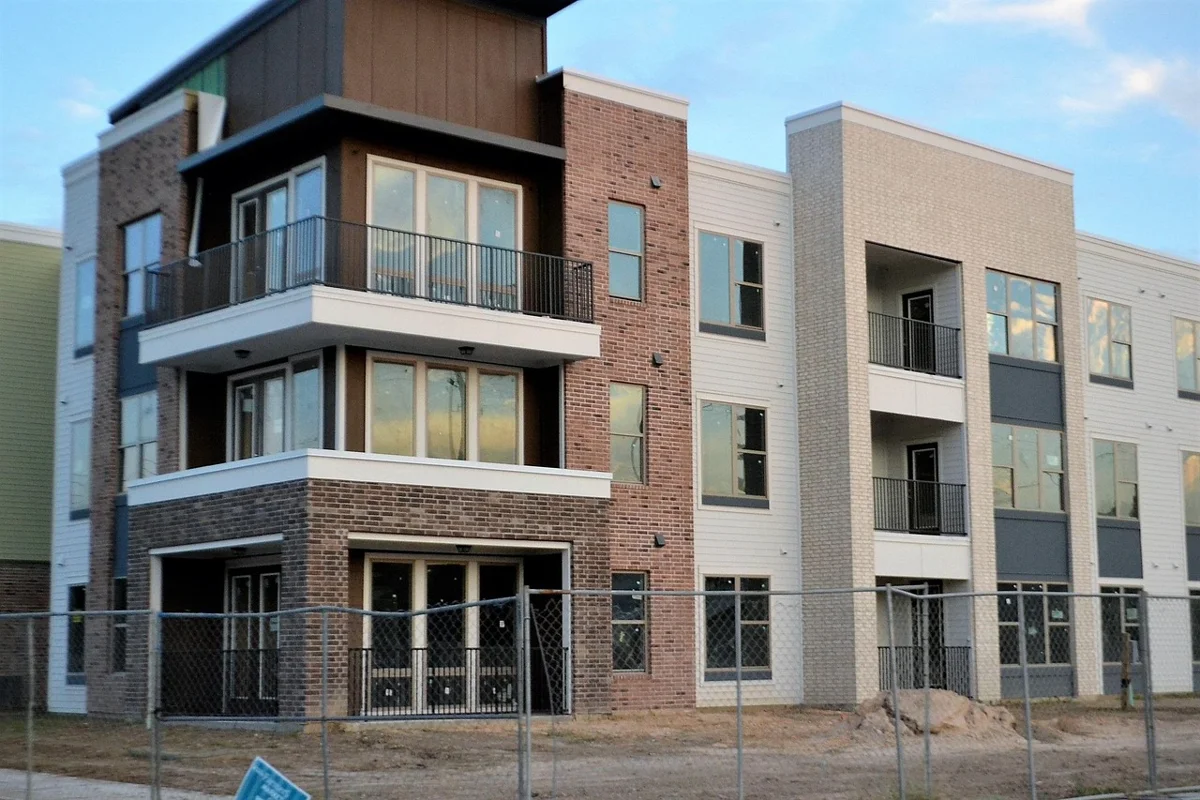
Building Structures on Vacant Land: Secrets Revealed!

Unlock the secrets of building on vacant land with our expert guide.

Land GuideNovember 21, 202530 min read
Building Structures on Vacant Land: Secrets Revealed!

What Are the First Steps to Building on Vacant Land?

Building on vacant land feels like opening a new chapter, full of potential and the thrill of possibility. It's a big adventure, but it can also feel overwhelming if you don’t know where to start. Let’s break it down into manageable steps so you can move from an empty plot to a thriving structure with confidence.

Understand Zoning Laws

The first step is understanding zoning laws. These laws dictate what you can and can't do with your land. Zoning laws will tell you if you can build a residential home, set up a commercial space, or maybe even start a tiny farm. You need to check with your local government or municipality to see the specific zoning rules for your plot.

  • Example: Imagine you purchased a piece of land thinking you could build a cozy cabin for weekend getaways. However, the zoning laws might only permit agricultural use. Without checking, you could end up with a piece of land that's not fit for your intended use.

Here's why zoning is crucial: It affects everything from the size of the structure you can build to the types of utilities you can install.

Secure the Necessary Permits Next, let's talk permits. Before you dive into construction, you need the right permits. This isn’t just bureaucratic red tape—it’s about safety and ensuring your building meets local standards.

  1. Building Permits: Essential for any construction. They ensure your plans are safe and compliant.
  2. Electrical and Plumbing Permits: Specific to installations within your building.
  3. Environmental Permits: Required if your building could impact local wildlife or natural resources.

Think about it this way: Getting the right permits is like setting the rules of a game. Once you know the boundaries, you can play freely and without fear of penalties.

Conduct a Thorough Site Assessment Before laying a single brick, assess the site. This is about understanding the land’s features and challenges. You’ll want to look at:

  • Soil Quality: Is it stable enough to support a structure?
  • Topography: Are there slopes or drainage issues?
  • Accessibility: Can you easily bring in construction materials and equipment? Case Study: A developer once skipped a site assessment, only to find out later that the land was prone to flooding. They had to spend thousands on drainage solutions, which could have been budgeted for upfront with a proper assessment.

Prepare the Site Properly Site preparation sets the stage for successful construction. It involves clearing the land, leveling it, and setting up essential infrastructure like temporary roads or utility connections.

  1. Clear and Grade the Land: Remove trees, rocks, and debris. Level the ground for your foundation.
  2. Establish Utilities: Ensure you have access to water, electricity, and sewage systems.
  3. Set Up Temporary Facilities: This includes storage for materials and possibly temporary offices for planning.

Imagine trying to build a Lego set without a flat surface. That’s what it’s like trying to construct without proper site prep—it’s bound to be unstable.

Navigating Regulatory Compliance Compliance is your best friend here. Avoiding fines and delays means adhering to all regulations from day one. Here’s how you can ensure you’re on the right track:

  • Regular Inspections: Schedule them with local authorities to check your progress.
  • Documentation: Keep all permits, plans, and inspection reports organized.
  • Hire a Compliance Expert: If you're unsure, professionals can guide you through the legal maze. Tip: Think of compliance as the guardrails on a highway. They keep you moving forward and prevent costly detours.

Evaluate Technical Construction Methods Choosing the right construction techniques is key. This depends on the structure you plan to build and the characteristics of the land.

  • Foundation Decisions: For rocky or uneven land, a pier foundation might be best. On flat, stable land, a slab foundation could work well.
  • Building Materials: Consider the environment—brick might be perfect in dry climates, while treated wood could be better in areas with heavy rainfall. Example: In hurricane-prone areas, reinforced concrete might be the go-to for its durability against strong winds.

Assess Project Feasibility Finally, evaluate your project's feasibility. This means taking a hard look at your budget, timelines, and resources.

  1. Budgeting: Include costs for unexpected delays or challenges.
  2. Timeline: Create a realistic schedule, factoring in weather and resource availability.
  3. Resource Allocation: Ensure you have the right people and materials ready when you need them. Think about it like planning a road trip: You need to know your destination, the route, and ensure the car (or project) has enough gas (or resources) to get you there.

Every step you take in this process builds a foundation—literally and figuratively—for your future structure. Start with understanding and planning, and you’ll pave the way for a successful build. Now, ready to dive deeper into choosing the right construction techniques? Let’s explore that next...

How Do Zoning Laws Affect Your Building Plans?

Zoning laws. They’re like the rulebook for land use, telling you what you can and can't do with your property. And when you're eyeing that piece of vacant land for your next big project, understanding these laws is crucial.Think of zoning laws as the groundwork for your building plans.

They dictate everything from the height of your structure to its purpose, like whether you can build a cozy home or a buzzing café.

Understanding Zoning Basics

Before diving into your plans, you need to get the lay of the land—literally.

  • Zoning Categories: Most areas are divided into zones such as residential, commercial, industrial, and agricultural. Each zone comes with its own set of rules. For instance, a residential zone might allow single-family homes but not apartment buildings.
  • Zoning Maps: These are your best friend. They show the zoning designations for each parcel of land. Imagine them like a neighborhood map, but instead of streets, they guide what kind of buildings can pop up where.
  • Local Zoning Codes: These are the specifics. They include details like building height limits, setback requirements, and maximum building coverage. You’ll need to dive into these to ensure your project aligns.

Here’s the thing: zoning laws don't just affect what you can build; they shape the very character of neighborhoods. So, when you're planning, you're not just thinking about the building itself, but how it fits into the community.

First Steps in Building on Vacant Land

Once you've got a handle on zoning, what's next?

Site Assessment: Before you put pencil to paper, assess the land. Look at the topography, soil quality, and access to utilities. This isn't just about zoning; it's about practicality. 2.

Consult the Experts: Architects, engineers, and zoning attorneys can help translate complex zoning codes into actionable plans. They know the ropes and can guide you through any potential hurdles. 3.

Community Engagement: Sometimes, getting feedback from local residents can smooth the process. They can provide insights into the community’s needs and concerns, which can be crucial, especially if your project might impact them.

But here’s why this matters: each step you take builds a foundation for a smoother approval process down the line.

Navigating the Permit Maze

Permits are like the official “go-ahead” for your project. Without them, your plans are just that—plans.

  • Building Permits: These are necessary for most construction projects. They ensure your building meets local standards for safety and design.
  • Special Use Permits: Sometimes, you might want to use land for a purpose not typically allowed by its zoning category. These permits allow exceptions but involve a more rigorous approval process.
  • Environmental Permits: If your land affects natural resources like wetlands or wildlife, additional permits may be required.

Here's a quick tip: Start your permit applications early. They can take time, and delays here can setback your entire project timeline.

Evaluating Site Suitability

Think about it this way—just because you can build doesn’t mean you should.

  • Infrastructure Access: Does your land have easy access to roads, electricity, and water? Lack of these can add unexpected costs and complications.
  • Environmental Concerns: Is the area prone to flooding? Are there protected species or habitats? These factors can heavily influence your building plans.
  • Market Analysis: Consider the demand for your planned structure. Is there a need for more housing, or is retail space more in demand?

The key takeaway? A thorough site evaluation can save you from costly mistakes and ensure your project’s feasibility.

Ensuring Regulatory Compliance

Regulatory compliance isn’t just about following the rules—it’s about avoiding penalties and ensuring your project’s success.

  • Regular Inspections: These are often required throughout the building process. They ensure your construction adheres to approved plans and safety standards.
  • Record Keeping: Keep meticulous records of every permit, inspection, and communication with regulatory bodies. This paper trail can be a lifesaver if issues arise.
  • Stay Updated: Zoning laws and building codes can change. Regularly check for updates to ensure ongoing compliance.

Staying on top of regulations means fewer surprises and a smoother path to completion.

Technical Methods for Construction

When it comes to building on vacant land, choosing the right construction methods can make a big difference.

  • Foundation Types: Depending on your land’s soil and topography, you might need a different foundation. Options range from slab-on-grade to deep foundations like piles or piers.
  • Sustainable Building Practices: Consider using eco-friendly materials or integrating renewable energy sources. Not only can this reduce long-term costs, but it can also increase the appeal of your structure.
  • Construction Technology: Modern tech, like 3D modeling or prefabricated components, can streamline the building process and improve precision.

The right methods don’t just support your building—they enhance its durability and efficiency.

Evaluating Project Feasibility

Finally, no project is complete without a feasibility study.

This isn’t just about numbers; it’s about viability. - Cost Analysis: Calculate the total cost, including land purchase, permits, construction, and any contingencies.

  • Risk Assessment: Identify potential risks, like economic downturns or zoning changes, and plan how to mitigate them.
  • Return on Investment: Estimate the potential returns, whether through sale, lease, or other means.

By thoroughly evaluating feasibility, you ensure that your grand plans don’t just stay on paper—they come to life, successfully.


Zoning laws may seem daunting at first, but they’re really just the starting point for your building journey. By understanding and navigating them effectively, you’re not just building a structure—you’re crafting a vision that fits within a community’s fabric. So take that first step, and let your planning pave the way to success.

What Permits Are Needed for Construction Projects?

Starting a construction project on vacant land is both exciting and a bit daunting. There's a lot to think about before you can break ground. Permits are one of the most critical aspects to consider. Navigating the permit landscape can feel confusing, but don't worry—I'll walk you through it.

Understanding Building PermitsBefore you start building structures on vacant land, you need to secure the right permits.

Permits are necessary to ensure safety, adherence to zoning laws, and compliance with local regulations. They act as a green light for your project, showing it's been inspected and approved by the authorities.

Why You Need Permits: - Ensure safety and structural integrity.

  • Confirm compliance with zoning and building codes.
  • Avoid legal issues and potential fines.

Types of Permits: - Building Permits: For the overall construction and structural changes.

  • Electrical Permits: Required for installing or modifying electrical systems.
  • Plumbing Permits: Needed for new plumbing installations or modifications.
  • Mechanical Permits: For heating, ventilation, and air conditioning systems.

Where to Get Them: - Local municipal offices or city hall.

  • Online through government websites in some areas.

Navigating Zoning Laws

Zoning laws can significantly affect your construction plans.

These laws dictate how land can be used in different areas—residential, commercial, agricultural, etc. They're crucial because they determine what you can build and where.

Check Your Zoning Designation: - Residential zones typically have restrictions on building height, density, and land use.

  • Commercial zones might allow for larger structures but have specific requirements.

Common Zoning Restrictions: - Setbacks: Minimum distance a building must be from property lines.

  • Height Restrictions: Limits on how tall a structure can be.
  • Density Limits: How many units can be built on a certain size of land.

How to Verify Zoning Laws: - Visit your local planning department.

  • Check online databases or zoning maps provided by local authorities.

The Permit Application Process

Applying for permits involves several steps, but knowing what to expect can make it smoother.

Here's a breakdown of what you might encounter:

Prepare Your Documentation: - Detailed site plans showing the layout, utilities, and structures.

  • Structural engineering reports if necessary.
  • Environmental impact assessments for larger projects.

Submit Your Application: - Fill out the necessary forms provided by your local building authority.

  • Pay any applicable fees, which vary based on project size and location.

Await Approval or Feedback: - Applications are reviewed for compliance with local codes.

  • You may receive feedback requiring modifications to your plans.

"Failing to secure the right permits can lead to hefty fines and project delays."

Site Assessments and Suitability

Before you even think about permits, assessing the site's suitability for construction is key.

This involves evaluating the land to ensure it's fit for your intended use.

Conduct a Site Survey: - Identify property boundaries and any existing easements.

  • Assess the topography and soil conditions.

Environmental Considerations: - Check for protected wildlife or plant species that could affect development.

  • Consider the impact of construction on local waterways and drainage.

Utilities and Infrastructure: - Determine access to water, sewage, electricity, and roads.

  • Plan for any necessary utility extensions or upgrades.

Best Practices for Site Preparation

Once you've got your permits, preparing the site is the next step.

Here's how to set the stage for successful construction:

Clear and Grade the Land: - Remove any vegetation or debris.

  • Level the ground to ensure a stable foundation.

Install Temporary Facilities: - Set up temporary power and water supplies.

  • Erect fencing for security and safety.

Plan for Erosion Control: - Use silt fences or sediment traps to prevent runoff.

  • Implement measures to protect surrounding areas from construction impact.

Ensuring Compliance and Avoiding Penalties

Staying compliant with regulations throughout construction is crucial.

Here’s how to keep your project on track:

Regular Inspections: - Schedule inspections at key stages: foundation, framing, utilities.

  • Address any issues raised by inspectors promptly.

Documentation and Record-Keeping: - Maintain a detailed log of all permits, inspections, and communications.

  • Keep copies of all signed permits and approvals.

Stay Informed: - Keep up with any changes in local building codes or regulations.

  • Attend community meetings or forums related to development.

Evaluating Project Feasibility

Before going all in, it's wise to evaluate the feasibility of your project.

This involves analyzing costs, timelines, and potential returns.

Conduct a Cost-Benefit Analysis: - Compare estimated costs with potential revenue or value increase.

  • Consider long-term maintenance and operational costs.

Assess Market Demand: - Research local property trends and demand.

  • Consider the impact of local economy changes on your project.

Plan for Contingencies: - Have a backup plan for unexpected delays or issues.

  • Set aside a contingency budget for unforeseen expenses.

With this comprehensive guide, you're well on your way to understanding what permits are needed for building structures on vacant land. Remember, thorough planning and adherence to regulations will pave the way for a successful construction project.

How Can You Assess the Site for Building Suitability?

Building on vacant land is exciting but can also be a bit daunting if you don't know where to start. You might be standing there, looking at an open field or a patch of land, and wondering, "What do I do first?" Let’s break it down so it feels less like a huge puzzle and more like a manageable plan.

Understand the Lay of the LandFirst off, get to know your land.

This might sound obvious, but really understanding the site can make or break your project. Start by walking around the site—feel the ground under your feet, note any slopes, and imagine where the sun rises and sets. A gentle slope might be perfect for drainage, but a steep one could mean extra costs in leveling or building a foundation.

  • Topography : Are there hills, valleys, or flat areas?
  • Soil Type : Is it rocky, sandy, or clay-heavy? Each type affects construction differently.
  • Water Features : Creeks or ponds can be beautiful but may require permits or special considerations.

Dive Into Zoning Laws

Zoning laws are your next big step.

These rules dictate what you can and can't do on your land. They cover everything from the types of structures allowed to the height of buildings and even the distance they must be from the road or neighboring properties.

  • Check Local Regulations : Visit your local zoning office or city hall. They'll have maps and documents you can review.
  • Permitted Uses : Find out what’s allowed—single-family homes, multi-family units, commercial buildings?
  • Restrictions : Some areas have historical or environmental restrictions. Look out for those.

Permits: The Paperwork Puzzle

Getting the right permits is crucial.

Before you start digging, you need to make sure you have all your paperwork in order. The last thing you want is to get halfway through construction and have to stop because of a missing permit.

  • Building Permits : These are a must for almost any construction. They ensure your plans meet local codes and standards.
  • Environmental Permits : If your land has wetlands or endangered species, you'll need special permission.
  • Utility Permits : Planning to hook up to water, sewer, or electricity? You’ll need approvals for those too.

Assess Infrastructure and Utilities

Utilities can be a hidden challenge.

Picture this: you've got your dream home designed, but no easy access to water or electricity. That's a headache you can avoid with some early planning.

  • Water and Sewer : Is there access to city water and sewer systems, or will you need a well and septic tank?
  • Electricity : Find out where the nearest power lines are. Extending them can be costly.
  • Road Access : Ensure there's a clear way for construction vehicles and future residents to reach the site.

Evaluate Environmental Impact

Think about the environment.

Not just because it's good for the planet, but because ignoring it can lead to costly delays or fines. Consider the local ecosystem and how your building will interact with it.

  • Wildlife and Vegetation : Will construction disrupt local habitats?
  • Erosion Control : Plan for how you’ll manage runoff and protect the soil during and after construction.
  • Noise and Pollution : Keep in mind the impact on the surrounding area. This is important for maintaining good relations with future neighbors.

Analyze Site Accessibility

Accessibility is more than just roads.

How easily can you get materials to the site? What about emergency services? These questions can save you time and stress later.

  • Material Delivery : Ensure there’s a clear path for trucks and equipment.
  • Emergency Access : Check that ambulances or fire trucks can reach the site quickly if needed.
  • Public Transport : Consider proximity to bus stops or train stations if that’s important for your future use.

Use Technology for Site Evaluation

Leverage technology to get a clear picture.

Gone are the days when you just eyeballed a site. Now, drones and software can give you detailed insights.

  • Drones : Use them for aerial views and detailed topography maps.
  • GIS Software : Geographic Information Systems can help you understand land use patterns and zoning.
  • 3D Modeling : Visualize your project on the site before you even break ground.

Bring in the Experts

Don't go it alone.

This is where hiring professionals can make a big difference. They bring experience and insights you might not think of.

  • Surveyors : They’ll map your site and identify boundaries.
  • Architects : They can design with the land’s unique features in mind.
  • Engineers : Essential for assessing soil stability and designing foundations.

Plan for Future Growth

Think long-term.

Your project may start small, but it’s wise to plan for future expansion or changes.

  • Scalability : Can your utilities handle additional buildings or loads?
  • Landscaping : Design with growth in mind—trees and plants that complement future builds.
  • Community Development : Consider how your project fits into the broader area’s growth plans.

Practical Steps Forward

Here’s what to do next.

Armed with this information, you’re ready to start making real progress on your project.

Schedule a Site Visit : Walk the land with your notes and a camera to document key features. 2. Meet with Local Officials : Set up meetings to discuss zoning and permits. 3. Hire Your Team : Find surveyors, architects, and engineers you trust. 4. Draft a Timeline : Plan out the steps from permits to groundbreaking.

And there you have it. Building on vacant land doesn’t have to be overwhelming. By breaking it down into these steps and taking it one day at a time, you’ll soon turn that empty plot into something amazing. What’s your next move going to be?

What Are the Best Practices for Site Preparation?

Starting a project on vacant land feels like the beginning of a grand adventure. You’re standing on a blank canvas, ready to turn your vision into reality. But before the first brick is laid, there's a lot to consider. Let's break it down.

Understanding the Lay of the Land

Before you even think about building, get to know your land.

Walk it. Observe the slopes, the sun's path, and the natural drainage. Is it rocky, sandy, or covered in dense vegetation? These details will affect your building plans and costs.

  • Topography: A flat site is easier and cheaper to build on than a slope. If your land is hilly, you might need to level parts or design multi-level structures.
  • Soil Type: Sandy soil drains well but might require deeper foundations. Clay can retain water, which might cause structural issues.
  • Vegetation: Large trees may need to be removed, but they also provide shade and can enhance your property's aesthetics once construction is complete.

"Knowing your land is like reading the blueprint of your project before it's even drawn."

Navigating Zoning Laws

Zoning laws dictate what you can and can't do with your land.

They can be a maze, but understanding them is crucial to avoid headaches later.

  • Zoning Types: Residential, commercial, agricultural... Each has different rules. Know what your land is zoned for and whether you need to apply for rezoning.
  • Setbacks: These are the minimum distances your building must be from property lines. They can impact the size and placement of your structures.
  • Height Restrictions: Some areas have limits on how tall buildings can be. This could influence your building’s design.

But here’s the catch: zoning laws can change. Stay updated and consult with local planning departments.

Permits and Paperwork

Getting the right permits is essential to avoid costly legal issues.

Think of permits as your project's safety net.

  • Building Permits: Required for most construction projects. They ensure your plans comply with local standards.
  • Environmental Permits: If your land has wetlands or endangered species, additional permits might be necessary.
  • Utility Permits: These cover connections to water, sewer, and electricity. Essential for a functional property.

The paperwork can be daunting, but it’s non-negotiable. Hire a local architect or consultant if you're unsure.

Assessing Site Suitability

Not all vacant lands are created equal.

Assessing your site’s suitability ensures your project starts on the right foot.

  • Flood Zones: Check if your land is in a flood-prone area. This might require special building techniques or insurance.
  • Accessibility: Consider how easy it is to reach your site. Good access roads are crucial for transporting materials.
  • Utilities: Evaluate the availability of water, electricity, and sewage. If they’re not readily available, you’ll need to factor in the cost of bringing them to your site.

Here’s why this matters: a thorough site assessment can save you from nasty surprises down the line.

The Art of Site Preparation

Site preparation is the foundation of your project's success.

It’s all about making the land ready to support your dreams.

  • Clearing and Grading: Remove any unwanted vegetation and level the ground. This sets the stage for construction.
  • Erosion Control: Implement measures like silt fences or retaining walls to prevent soil erosion during and after construction.
  • Foundation Planning: Choose the right foundation based on soil type and building design. Options include slab-on-grade, crawl space, or basements.

Remember, a well-prepared site is like a well-tuned instrument—it sets the tone for everything that follows.

Regulatory Compliance

Compliance isn’t just about avoiding penalties; it’s about building safely and sustainably.

Stay informed and proactive.

  • Inspections: Scheduled inspections ensure your build meets all regulations. These might include structural, electrical, and plumbing checks.
  • Safety Standards: Adhere to safety standards to protect workers and future occupants. This includes proper scaffolding and protective gear.
  • Environmental Impact: Minimize your footprint by using sustainable materials and methods.

Think of compliance as the compass that keeps your project on course.

Technical Methods and Tools

The right methods and tools make a world of difference.

Technology can streamline construction and enhance precision.

  • Surveying Equipment: Modern tools like GPS and drones provide accurate measurements and site data.
  • Building Information Modeling (BIM): This software helps in visualizing the project and identifying potential issues before they arise.
  • Sustainable Building Techniques: Consider using green materials and energy-efficient designs to future-proof your building.

Tools and technology can be your best allies in this process.

Evaluating Feasibility

Before breaking ground, evaluate your project’s feasibility.

It’s about balancing dreams with practicality.

  • Budgeting: Have a clear budget that includes a contingency fund for unexpected costs.
  • Timeline: Set realistic timelines. Delays are common, but planning can mitigate them.
  • Return on Investment (ROI): If you’re developing with the intention to sell or lease, assess the potential ROI.

Feasibility checks ensure your project is not just a dream but a sustainable reality.


Embarking on the journey of building on vacant land is thrilling but demands careful planning. Each step, from understanding your land to ensuring regulatory compliance, builds the foundation for success. So, take your time, plan meticulously, and soon enough, that empty plot will transform into something extraordinary. For more insights on how to navigate this process, consider the benefits of owning land.

How Do You Ensure Regulatory Compliance and Avoid Penalties?

Navigating the complexities of regulatory compliance when building structures on vacant land can feel like threading a needle. It’s not just about securing the right permits but also understanding how these regulations keep your project on the right side of the law. Here's how you can make sure you're in the clear:

Understanding Regulatory FrameworksBefore you even think about breaking ground, know the rules.

Building on vacant land isn't as straightforward as it sounds. Each area has its own set of regulations, often influenced by local, state, and federal laws.

  • Zoning Laws: These dictate what you can build and where. For example, a plot might be zoned for residential use, meaning you can't build a commercial structure there.
  • Building Codes: These ensure the safety and integrity of the structure. They cover everything from the height of the building to the materials you can use.
  • Environmental Regulations: These are increasingly crucial. They protect the land's natural resources and often require you to perform environmental impact assessments.

Think of these laws as your project's safety net. They guide you through the complexities of land development and ensure your structure is both safe and legal.

Starting with Zoning and Land Use

Zoning laws are like the GPS for your project.

They tell you what the land can be used for and what kind of structures are permissible. Here’s how to tackle them:

  • Research Local Ordinances: Each municipality has its own zoning laws. Check with the local planning department to understand these regulations.
  • Review Future Land Use Maps: These maps provide insights into how land use might change over time, affecting what you can build.
  • Consider Variances: If your project doesn't fit within existing zoning laws, you might need a variance. This is essentially permission to deviate from the zoning rules, but getting one can be a long process.

Understanding zoning is your first step in avoiding costly mistakes. Once you have a grasp on these, you can proceed with confidence.

Securing Necessary Permits

Permits are your project's passport.

They officially allow you to begin construction, and without them, you risk hefty fines or even the demolition of your project.

  • Building Permits: These confirm that your plans comply with building codes. The application process can take weeks or months, so start early.
  • Special Permits: Depending on your project, you might need additional permits, like for plumbing or electrical work.
  • Environmental Permits: If your land is near protected areas or you’re impacting natural resources, these permits are essential.

The permitting process might seem daunting, but it's a safeguard for both you and the community. Once you have the necessary permits, you’re one step closer to turning your vision into reality.

Conducting a Thorough Site Assessment

A proper site assessment is like a health check-up for your land.

It ensures the land is suitable for your intended use and helps you anticipate potential issues.

  • Soil Testing: Determines if the ground can support your structure. Some soils might require special foundations.
  • Topographical Survey: Helps you understand elevation levels, which is crucial for drainage planning.
  • Hazardous Material Checks: Especially important if the land was previously used for industrial purposes.

A comprehensive site assessment helps you avoid nasty surprises down the line, ensuring your project is both feasible and compliant.

Staying Updated on Changing Regulations

Regulations aren't static. They evolve.

Staying informed about changes can save you from non-compliance issues.

  • Regularly Check Local Government Websites: These sites often post updates about changes in laws and regulations.
  • Join Industry Associations: These groups provide resources and alerts about regulatory changes.
  • Hire a Compliance Consultant: If budget allows, a consultant can keep you informed and ensure all aspects of your project meet current standards.

Keeping up with regulatory changes is like maintaining a ship’s course. It ensures your project stays on track, regardless of shifting legal tides.

Implementing Best Practices for Compliance

Compliance isn't just about following rules; it's about embedding them into your workflow.

Here’s how to integrate best practices:

  • Create a Compliance Checklist: Use it at every stage of your project to ensure nothing's overlooked.
  • Train Your Team: Make sure everyone understands the importance of compliance and knows the procedures.
  • Conduct Regular Audits: These help catch potential issues early, saving you time and money.

By embedding compliance into your project’s DNA, you minimize risks and enhance your project's success rate.

Avoiding Common Pitfalls

Learning from others' mistakes can save you time and money.

Here are common pitfalls to avoid:

  • Ignoring Small Details: Overlooking minor regulations can lead to major penalties.
  • Rushing the Permit Process: Skipping steps in a hurry can result in denied applications.
  • Neglecting Updated Codes: Building to outdated codes can mean having to redo parts of your project.

By sidestepping these common errors, you keep your project moving smoothly from start to finish.

Final Thoughts on Compliance

Ensuring compliance is like building a solid foundation for your project. It’s the bedrock that supports everything else. By understanding the regulations, securing the right permits, and continually staying informed, you not only avoid penalties but also set your project up for success.

Remember, compliance isn’t just a box to check. It’s a commitment to doing things right, for both your project and the community it will serve.

What Technical Methods Are Best for Your Construction?

Building structures on vacant land can seem daunting at first, but it’s also an exciting opportunity. You’ve got a blank canvas and the chance to bring your vision to life. Here's the first thing you should know: it all starts with understanding the land itself. This means getting into the nitty-gritty of what the land offers and what it might demand from you.

Understanding the Terrain

Before anything else, get familiar with the lay of the land.

  • Site Assessment: Begin with a thorough site assessment. This involves looking at the topography, soil type, and existing vegetation. Is the land flat or hilly? Are there any bodies of water nearby? Each of these factors can influence your building plans and costs.

  • Soil Testing: Soil quality is crucial. Poor soil can lead to foundation issues down the line. Hire a geotechnical engineer to conduct soil tests. They’ll provide insights into the load-bearing capacity of the soil and any potential issues like soil erosion or swelling.

  • Environmental Impact: Consider the environmental impact of your project. This includes evaluating how construction might affect local wildlife and waterways. You might need to conduct an environmental assessment, especially if your project is in a sensitive area.

Key Insight: Understanding the terrain can save you a fortune in future repairs and adjustments.

Zoning and Regulations

Next up, dive into the local zoning laws and regulations. This is crucial because zoning laws dictate what you can and can't do with the land.

  • Zoning Laws: Check local zoning laws to understand the types of structures allowed on your land. Residential, commercial, or mixed-use? Each category has its own set of rules.

  • Building Codes: Familiarize yourself with local building codes. These codes ensure that structures are safe and meet specific standards. They cover everything from structural integrity to energy efficiency.

  • Permits Required: You’ll need various permits for different stages of construction. This can include building permits, electrical permits, and plumbing permits. Start gathering these as early as possible to avoid delays.

But there’s a catch: zoning laws can be complex and vary widely depending on the location. It might be worth consulting a local zoning attorney or a land-use consultant to navigate these waters smoothly.

Planning Your Construction

Once you've sorted out the regulations, it's time to plan the actual construction.

  • Design and Architecture: Work with an architect to design a structure that fits both your vision and the land’s limitations. This is where creativity meets practicality. Consider factors like orientation for sunlight, wind patterns, and natural views.

  • Foundation Options: Choose the right foundation based on your site assessment. Options include slab-on-grade, crawl space, or full basement. The choice depends largely on soil conditions and climate.

  • Materials Selection: Decide on the materials. Are you going for a traditional brick and mortar, or something more modern like steel or sustainable materials? The choice of materials can affect both the construction process and the building's performance.

Memorable Takeaway: The right planning can turn potential obstacles into opportunities.

Site Preparation

Before you lay the first brick, get the site ready for construction.

  • Clearing and Grading: Clear the land of vegetation and debris. Grading ensures the land is level, which is crucial for a stable foundation. It also aids in proper drainage, preventing future water issues.

  • Utilities Installation: Set up essential utilities like water, electricity, and sewage systems. This step might require working with local utility companies and possibly extending existing lines to reach your property.

  • Access Roads: Consider access to the site. If your land is remote, you might need to build access roads for construction vehicles and future use.

Here’s why this matters: Proper site preparation is the backbone of a successful build. It allows for a smoother construction process and helps avoid costly surprises later on.

Construction Techniques

Now, let’s talk about the actual building methods. Your choice here can significantly impact your project's cost, timeline, and sustainability.

  • Traditional vs. Modern Techniques: Traditional methods like timber framing are well-known for reliability but might not be the most cost-effective or sustainable. Modern techniques like prefabrication or modular construction can save time and reduce waste.

  • Sustainable Building Practices: Consider eco-friendly options such as solar panels, rainwater harvesting systems, and green roofs. These practices not only reduce environmental impact but can also lower long-term operational costs.

  • Smart Technology Integration: Think about integrating smart technology for energy efficiency and convenience. Things like smart thermostats, automated lighting, and security systems are becoming more common in modern builds.

Data-Backed Insight: According to recent studies, buildings with integrated smart technology can see energy savings of up to 30%.

Ensuring Compliance

During construction, ensuring compliance with all relevant regulations is non-negotiable.

  • Regular Inspections: Schedule regular inspections to ensure each phase of construction meets local codes. This keeps the project on track and helps avoid penalties.

  • Documentation: Keep thorough documentation of all permits, inspections, and changes. This not only helps with compliance but is also invaluable if you ever decide to sell the property.

  • Project Management: Effective project management can streamline the process. Consider hiring a project manager if you’re not familiar with construction timelines and requirements.

Remember, staying compliant isn’t just about avoiding fines—it’s about ensuring safety and quality for future occupants.

Evaluating Feasibility

Finally, continuously evaluate the feasibility of your project. This means keeping an eye on budgets, timelines, and expected returns.

  • Budget Management: Stick to your budget but be flexible enough to accommodate unforeseen expenses. Keep a contingency fund for unexpected costs.

  • Timeline Adherence: Regularly check if the project is on schedule. Delays can escalate costs quickly, so addressing them promptly is key.

  • Return on Investment: If your project is an investment, consider the potential ROI. Factors like location, market trends, and the quality of construction will influence this.

Here’s a thought: Building on vacant land is an ongoing journey. Regular evaluations ensure you’re not just building a structure, but also creating value.


In essence, building structures on vacant land is a complex but rewarding endeavor. From understanding the terrain to ensuring compliance, each step plays a crucial role. Keep these insights in mind, and you’ll be well on your way to a successful project. It's not just about the end structure but the path you take to get there.

How Can You Evaluate the Feasibility of Your Project?

Evaluating the feasibility of building structures on vacant land can feel like a massive puzzle. But once you break it down, it starts to make sense. Let's dive into the steps to determine if your project can move from dream to reality.

Understanding Zoning Laws

Zoning is like the rulebook for land use. Zoning laws dictate what you can and can't do with a piece of land. This includes limitations on building height, density, and even the type of structures you can erect.

  • Research Local Zoning Codes : Start by visiting your local government's planning department website. Look for zoning maps and codes specific to your area.
  • Consult a Professional : A local architect or planner can provide insights on how zoning impacts your project. They might even find ways to request variances if needed.
  • Case Study Insight : Take the case of a small restaurant owner who wanted to build on a vacant lot. Initially zoned for residential use, she worked with a city planner and successfully petitioned for a zoning change to mixed-use, allowing her business to thrive.

Zoning is just the first hurdle. Next up? Permits.

Navigating the Permit Process

Building permits are your official green light. They ensure your project aligns with safety and local regulations. Here's a simple roadmap to getting your permits in order:

  1. Compile Required Documents : Gather site plans, architectural drawings, and environmental assessments. Each one tells a piece of your project's story.
  2. Submit Applications Early : Permit approval can take weeks or even months. Factor this time into your project timeline.
  3. Expect Inspections : Once construction begins, inspectors will visit to ensure compliance with codes. Be ready for these surprise visits.

Pro Tip : Regular communication with local authorities can expedite the permit process. They often appreciate being kept in the loop.

Conducting a Thorough Site Assessment

Before laying that first brick, you need to know your land inside out. A site assessment reveals potential challenges and opportunities. - Soil Testing : This determines if the ground can support your structure. Poor soil conditions may require special foundation techniques.

  • Environmental Impact : Evaluate how your project might affect local wildlife and ecosystems. Some areas might need an environmental impact study.
  • Utilities Check : Ensure access to water, electricity, and sewage. Consider the cost and feasibility of connecting to these services.

Example : A developer in the Midwest discovered during soil testing that a portion of their land was on a floodplain. This prompted a redesign of their stormwater management plan, saving future headaches.

Best Practices for Site Preparation

Once you've assessed the site, it's time to prepare it for construction. Good preparation sets the foundation for a successful build. - Clear and Grade the Land : Remove any debris, trees, or old structures. Grading ensures proper drainage and a stable surface for construction.

  • Erosion Control : Implement measures like silt fences or retaining walls to prevent soil erosion, especially on sloped land.
  • Stake Out the Site : Clearly mark where each aspect of your project will be situated. This helps avoid costly mistakes down the road.

Did You Know? Proper grading can also prevent future water damage to buildings, a common oversight in new developments.

Ensuring Regulatory Compliance

Rules and regulations keep everything fair and safe. Staying compliant avoids penalties and keeps your project on track. - Regularly Review Building Codes : These can change, so stay updated to avoid costly mistakes.

  • Work with a Compliance Officer : They can guide you through complex regulations and ensure your project adheres to all necessary laws.
  • Keep Detailed Records : Document every step of the process. This can be invaluable if disputes or questions arise later.

Consider This : A builder once faced hefty fines because a subcontractor didn’t follow updated electrical codes. Don’t let this be you—double-check everything.

Evaluating Technical Methods

Choosing the right construction techniques is crucial. Different methods suit different projects, so tailor your approach. - Traditional vs. Modern Techniques : Decide between conventional methods like wood framing and newer approaches, such as prefabricated panels.

  • Technology Integration : Consider smart technology for energy efficiency and ease of maintenance.
  • Foundation Options : On raw land, the foundation choice is critical. Options like pier foundations may suit areas with challenging soil conditions.

Next Step : Explore the latest construction technologies to find what fits your project best.

Bringing It All Together

Evaluating feasibility is about asking the right questions and taking proactive steps. With the right preparation and knowledge, you can turn that empty plot into something truly remarkable. Remember, each piece of land is unique, and so is every project. Approach yours with curiosity, diligence, and a willingness to adapt. Once you've got the groundwork laid, everything else will start to fall into place...

Frequently Asked Questions

Q: What are the main zoning and building regulations I should consider before building on vacant land?
A: You must review local zoning laws to confirm that the land is zoned for your intended use (residential, commercial, etc.) and understand any specific requirements like minimum lot size, setbacks, and allowable building types. Additionally, there may be rules about the distance from streets, other structures, or environmental features , and restrictions on the building height or materials. Contact your local planning and zoning board to ensure compliance before you begin your project[1][3][9][15].

Q: What permits are required to build on vacant land?
A: Building on vacant land typically requires several permits , starting with a main building permit. Depending on your location and project scope, you may also need land clearing, septic, utility connection, and grading permits . Requirements vary by jurisdiction, so it is essential to check with your local building authority early in the process to determine exactly which permits you'll need before starting construction[3][11].

Q: How do I determine if my land is suitable for building, and what inspections are needed?
A: A feasibility assessment is crucial; this reviews the topography, drainage, soil quality, and access to utilities of your land to confirm it is buildable. Soil tests may be required to determine if the ground is stable enough for foundations and if septic systems can be installed. Additional inspections may include environmental impact assessments, surveys for floodplains, and evaluation of access roads[1][3][5][9][15].

Q: What utilities and infrastructure do I need to plan for when building on vacant land?
A: You need to consider how to provide or connect to water, sewage, electricity, gas, and internet services, which may involve extending lines from the nearest source or installing systems like wells and septic tanks . Early evaluation of utility availability is important, as bringing infrastructure to rural or remote properties can be complex and expensive. For those considering living off the grid, evaluating the best land for off-grid living can provide additional insights[3][5][9][15].

Q: What are the key steps in the building process after securing land and permits?
A: The process generally includes site clearing and preparation (removing vegetation and marking access), preparing the foundation based on the land type, constructing the structure, and finally connecting utilities. Throughout, work closely with an experienced builder familiar with local land conditions to design a structure that best fits the site and complies with all local regulations. Flexibility in your design may be required to adapt to the unique features and limitations of your property[1][3][5].

Resources & Citations

Next steps for Building Structures on Vacant Land: Secrets Revealed!

Pair what you learned with live inventory, concierge support, and flexible owner financing.